What is Gongfu Cha? Understanding the Philosophy
Have you ever wondered why Chinese tea masters can brew the same tea leaves 10-15 times, each cup tasting different and delicious? Most Western tea lovers miss out on the full potential of premium teas because they’re using Western brewing methods that barely scratch the surface of what great tea can offer.
The ancient art of gongfu cha transforms ordinary tea into an extraordinary sensory journey. In this complete beginner’s guide, you’ll discover the essential equipment you need, master the step-by-step brewing process, and learn which teas work best for newcomers to this fascinating tradition.
What is Gongfu Cha? Understanding the Philosophy
Gongfu cha originates from the traditional tea practices of China’s Chaozhou and Wuyi Mountains regions. The name translates to “making tea with skill” – not “kung fu tea” as many people mistakenly believe.
This brewing method is more than just a technique; it’s a mindful approach to tea appreciation. You use a high leaf-to-water ratio, multiple short steeps, and small vessels to create concentrated flavors that evolve with each infusion.
The core difference between gongfu and Western brewing is dramatic. While Western methods use 2-3 grams of tea per 250ml of water steeped for 3-5 minutes, gongfu uses 5-8 grams per 100ml steeped for just 10-60 seconds. This allows you to brew the same leaves 8-15 times, discovering new flavors with each cup.
Ready to experience tea like never before? Browse our premium Chinese tea collection to find your perfect gongfu companion.
Essential Equipment: Your Gongfu Cha Starter Kit
You don’t need to break the bank to start your gongfu journey. Here are the five essential items that will transform your tea experience.
1. Gaiwan or Small Teapot (Your Primary Brewing Vessel)
A gaiwan is your best friend as a beginner. This lidded bowl is fully non-reactive, giving you clean, true flavors while being versatile enough for all tea types.
Look for a white porcelain gaiwan with 100-150ml capacity. The rim should feel comfortable in your hands, and the lid should fit snugly without being too tight.
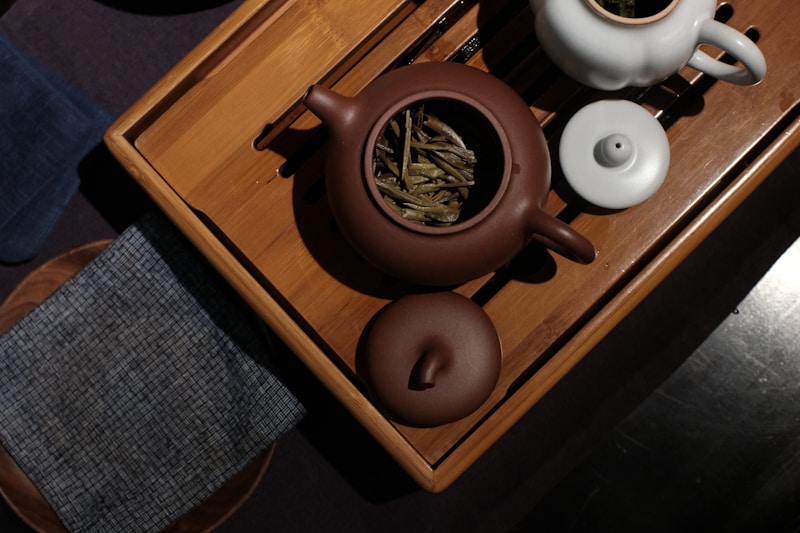
If you prefer teapots, consider a small Yixing clay pot (120-200ml). These are best dedicated to one tea type and make excellent investment pieces as you develop your skills.
2. Fairness Cup (Gong Dao Bei)
This pitcher ensures even tea distribution when serving multiple people. Choose glass or porcelain with 200-300ml capacity.
A built-in strainer is helpful but not essential. You can always use a separate fine-mesh strainer if needed.
3. Tea Cups
You’ll need 2-4 small cups, each holding 30-50ml. Porcelain or ceramic work perfectly – the style can be traditional or modern based on your preference.
Small cups might seem impractical, but they’re designed to concentrate aromas and keep your tea at the perfect temperature. Check out our curated selection of authentic tea cups to complete your setup.
4. Tea Tray or Table
A tea tray catches spills and keeps your workspace organized. Bamboo, wood, or stone all work well.
Don’t worry about size – even a compact tray works for small spaces. A drainage system is nice but not mandatory when you’re starting out.
5. Essential Accessories
Round out your kit with a fine-mesh strainer, absorbent tea towel, tea scoop for measuring, and a timer. These simple tools make the process smoother and more enjoyable.
Budget-friendly starter sets under $50 include everything you need to begin. You can always upgrade individual pieces as your skills and preferences develop.
Choosing Your First Teas
Not all teas are created equal for gongfu brewing. Some are forgiving teachers, while others demand precision that comes with experience.
Best Beginner-Friendly Options
Oolong teas are your ideal starting point. Tie Guan Yin (Iron Goddess), Da Hong Pao (Big Red Robe), and Dong Ding Oolong all tolerate temperature and timing variations beautifully.
Black teas (called red teas in China) like Keemun, Yunnan Gold, and Lapsang Souchong also work wonderfully. They’re robust enough to handle minor mistakes while still showing the benefits of gongfu brewing.
Pu-erh tea offers another excellent option, especially ripe (shou) pu-erh. These aged teas develop incredible complexity through multiple steepings.
What to Avoid Initially
Save delicate white teas and green teas for later. They’re more sensitive to water temperature and timing, making them challenging for beginners.
Avoid flavored or scented teas – the artificial elements can interfere with learning how natural tea flavors develop. Explore our beginner-friendly tea selection to find your perfect practice partners.
Step-by-Step Brewing Guide
Now comes the exciting part – actually brewing your tea. Follow these seven steps to unlock flavors you never knew existed.
Pre-Brewing Preparation
Gather all your equipment on your tea tray. Heat water to the appropriate temperature for your chosen tea type.
Measure 5-8 grams of tea leaves per 100ml of vessel capacity. Create a calm environment – this process deserves your full attention.
The 7-Step Gongfu Process
Step 1: Warm the Vessels Pour hot water into your gaiwan, pitcher, and cups. Swirl it around, then discard the water.
This removes any dust and maintains temperature throughout the brewing process. Your tea will thank you for this extra care.
Step 2: Add Tea Leaves Place your measured tea into the warmed gaiwan. Take a moment to appreciate the dry leaf aroma as it warms.
Notice how the fragrance changes as the leaves heat up – this is your first taste of what’s to come.
Step 3: Rinse the Tea (Optional) Pour hot water over the leaves for 3-5 seconds maximum, then immediately discard. This “awakens” the leaves and cleans them gently.
Not all teas need rinsing, but it’s particularly beneficial for aged teas like pu-erh.
Step 4: First Proper Steep Start with a 10-15 second infusion for most teas. Use water at the correct temperature – 100°C for black teas and most oolongs, 75-85°C for green teas.
Keep your first steep short. You’ll have many more chances to extract flavor.
Step 5: Decant and Serve Pour completely into your fairness cup – every last drop. Leaving tea in the gaiwan will over-steep and ruin subsequent infusions.
Pour evenly into cups and serve immediately. The first taste should be a revelation.
Step 6: Taste and Evaluate Notice the color, aroma, and mouthfeel. Take notes on what you’re experiencing.
This isn’t pretentious – it’s practical. Tracking your observations helps you improve with each session.
Step 7: Continue Steeping Increase steeping time by 5-10 seconds with each subsequent infusion. Most teas will give you 8-12 excellent cups before they’re exhausted.
Each steep reveals new aspects of the tea’s character. The journey is just as important as the destination. For more on getting the basics right — water temperature, timing, and ratios — check out the 5 common brewing mistakes to avoid.
Common Mistakes and How to Avoid Them
Even experienced tea drinkers make mistakes when starting gongfu brewing. Here’s how to sidestep the most common pitfalls.
Using Too Little Tea
This is the number one mistake beginners make. You need 5-8 grams per 100ml – that’s much more than Western brewing.
When in doubt, use more tea rather than less. You can always adjust steeping time, but insufficient leaves will never give you the full gongfu experience.
Steeping Too Long
Start with shorter times and increase gradually. It’s easier to add time than to fix bitter, over-extracted tea.
If you accidentally over-steep, don’t panic. Dilute the tea with hot water or use it as a learning experience for the next round.
Wrong Water Temperature
Different teas need different temperatures. Invest in a reliable thermometer until you develop intuition.
Scalding delicate teas ruins their subtle flavors, while under-heating robust teas leaves them flat and lifeless.
Incomplete Decanting
Always empty your gaiwan completely between steeps. Even a small amount of remaining tea will continue extracting and throw off your timing.
Tilt the gaiwan fully and pour out every drop. Your consistency will improve dramatically.
Poor Water Quality
Tea is 99% water, so quality matters enormously. Use filtered or spring water for best results.
Avoid distilled water – it’s too pure and creates flat-tasting tea. Municipal tap water often has too many minerals that interfere with tea flavors.
Struggling with any of these issues? Join our tea community forum where experienced brewers share tips and troubleshoot problems together.
Developing Your Practice
Gongfu brewing is a skill that improves with consistent practice. Here’s how to build a sustainable routine that grows with you.
Building Your Daily Routine
Start with 15-20 minutes daily at a consistent time. Morning sessions energize your day, while evening brewing helps you unwind.
Create a dedicated space, even if it’s just a corner of your kitchen counter. Having everything ready reduces friction and makes practice more likely.
Monthly Progression Plan
Month 1: Master the basic technique with 2-3 familiar teas. Focus on consistency over experimentation.
Month 2: Try different tea types and compare how they behave. Notice how brewing adjustments affect each variety.
Month 3: Fine-tune your timing and temperature control. This is when muscle memory really starts developing.
Month 4+: Develop your personal style and preferences. You’ll know what you like and how to achieve it reliably.
Joining the Tea Community
Connect with other gongfu enthusiasts through online forums, local tea shops, and social media groups. The tea community is incredibly welcoming to newcomers.
Many cities have tea societies or Chinese cultural centers that offer classes. These hands-on experiences accelerate your learning significantly.
Want to connect with fellow tea lovers? Follow us on social media for daily brewing tips and community highlights.
Your Gongfu Cha Journey Begins Now
You now have everything you need to start your gongfu cha journey. The essential equipment is simple, the technique is learnable, and the rewards are immediate.
Remember, there’s no perfect cup – only your perfect cup. Trust your palate, enjoy the process, and let each session teach you something new about tea and yourself.
Your next steps are simple:
- Order your first gongfu set from our carefully curated collection
- Choose 2-3 beginner-friendly teas to start practicing
- Set up your brewing space in a quiet corner of your home
- Schedule daily practice time for your first month
Gongfu cha isn’t just about making better tea – it’s about creating moments of mindfulness in your busy day. Every cup you brew is a step toward mastering not just technique, but the art of slowing down and appreciating simple pleasures.
The journey of a thousand miles begins with a single step. Your first perfect cup of gongfu tea is just one click away.
Ready to transform your tea experience? Browse our complete gongfu cha collection and discover what you’ve been missing. Your taste buds will thank you.
