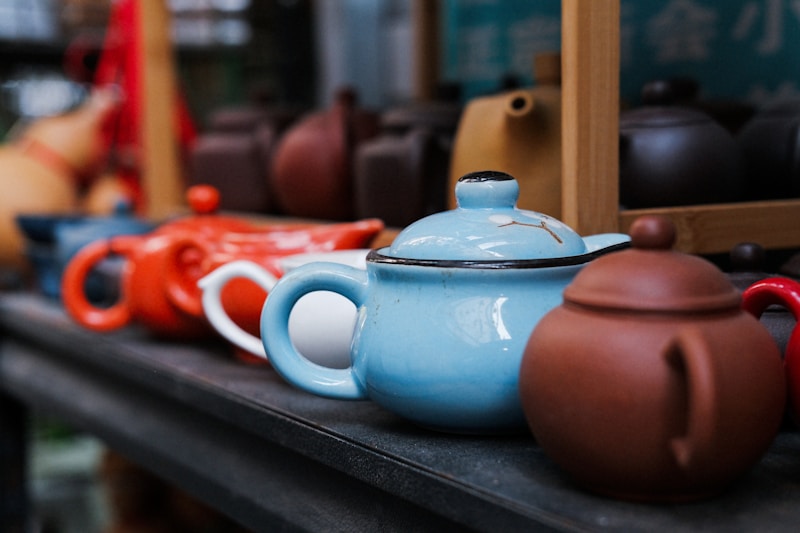
Understanding Your Yixing Teapot: The Foundation of Proper Care
What Makes Yixing Clay Special
Yixing teapots are crafted from Zisha clay, a unique purple clay found only in China’s Jiangsu province. This clay’s natural porosity allows it to absorb tea oils and flavors over time, creating a seasoned patina that actually improves your tea’s taste with each brewing session.
The microscopic pores in authentic Zisha clay breathe with temperature changes, which is why your teapot feels different after each use. This living quality sets Yixing teapots apart from glazed ceramics or glass—your teapot literally becomes part of your tea ritual.
The Patina Development Process
Patina is the glossy, rich surface that develops as tea oils penetrate and coat your teapot’s clay. A well-developed patina appears as a subtle sheen that deepens the clay’s natural color and creates an almost mirror-like finish in heavily used areas.
You’ll notice patina developing within the first month of regular use, starting around the spout and handle where oils naturally concentrate. After six months to a year of dedicated use with one tea type, your teapot will display a beautiful, even patina that signals optimal flavor development.
Choosing Your Dedicated Tea Type
The golden rule of Yixing care is simple: one teapot, one tea type, forever. The clay’s ability to absorb and enhance flavors only works when you consistently use the same type of tea, allowing the accumulated oils to complement rather than compete with each other.
Oolong teas work exceptionally well for seasoning due to their balanced oils and moderate tannins.
The Complete Seasoning Process: Step-by-Step Guide
Pre-Seasoning Preparation
Start by examining your new teapot under good lighting for any manufacturing dust or clay particles. Authentic Yixing teapots often have slight clay residue from the firing process, which you’ll need to remove before your first seasoning.
Rinse the teapot gently with room temperature water, swirling it to remove loose particles. Never use soap, brushes, or any cleaning agents during this initial cleaning—plain water is all you need.
The Traditional Seasoning Method
Step 1: Cold Water Foundation Fill your teapot with cold water and let it sit for 10-15 minutes. This initial soak allows the clay to gradually absorb moisture and prepares the pores for the seasoning process.
Empty the water and examine the interior—you may notice the clay color has deepened slightly, indicating proper absorption.
Step 2: Hot Water Opening Pour hot water (just off the boil, around 200°F) into the empty teapot, filling it completely. The sudden temperature change opens the clay’s pores more dramatically, preparing them for tea absorption.
Let this hot water sit for 2-3 minutes, then pour it out over the exterior of the teapot to warm the outer clay as well.
Step 3: First Tea Seasoning Use a generous amount of your chosen tea—about double your normal brewing quantity. Pour hot water over the tea leaves in the teapot and let it steep for 5-7 minutes, much longer than you’d normally brew for drinking.
Pour this concentrated tea over the exterior of the teapot as well, ensuring the entire surface receives tea contact. The clay will immediately begin absorbing the tea’s oils and colors.
Step 4: Multiple Seasoning Rounds Repeat the tea brewing process 3-4 more times during your first seasoning session, using fresh tea leaves each time. Each round deepens the initial tea absorption and begins building your teapot’s flavor foundation.
Allow the teapot to air dry completely between each round—this prevents over-saturation and ensures even absorption throughout the clay.
Common Seasoning Mistakes to Avoid
Never rush the seasoning process by using boiling water directly on a cold teapot. The thermal shock can create hairline cracks that will worsen over time and potentially ruin your teapot completely.
Avoid the myth of using tofu water or sugarcane juice for seasoning—these traditional methods can actually clog the clay’s pores and prevent proper tea absorption.
Daily Care and Cleaning Rituals
After Each Use: The Golden Rules
Rinse your teapot with hot water immediately after brewing, while the clay is still warm. This removes tea residue without stripping the beneficial oils that contribute to patina development.
Never leave tea sitting in your teapot for hours after brewing—the concentrated tannins can create bitter flavors that penetrate the clay and affect future brews.
The Hot Water Rinse Technique
Fill the teapot with hot water and swirl gently to loosen any remaining tea particles. Pour this water out and repeat once more to ensure complete cleaning without harsh scrubbing.
For stubborn tea stains around the spout or interior corners, use a soft bamboo brush or cloth—never metal utensils that could scratch the clay’s surface.
Proper Drying Methods
After rinsing, leave your teapot open to air dry completely before storing. The lid should remain off until both the interior and exterior are completely dry to prevent mold growth in the humid interior.
In high-humidity climates common in parts of Europe and America, consider placing your teapot in a well-ventilated area or using a fan to accelerate drying during summer months.
What Never to Use
Dish soap is your Yixing teapot’s worst enemy—the surfactants penetrate deep into the clay and can never be fully removed, leaving a soapy taste that ruins every future brew. If you accidentally use soap, contact our tea experts for emergency recovery advice.
Dishwashers, microwaves, and alcohol-based cleaners will permanently damage your teapot’s clay structure. The extreme temperatures and harsh chemicals break down the clay’s natural properties and destroy years of careful seasoning.
Troubleshooting Common Problems
Addressing Off-Flavors
If your tea suddenly tastes different or unpleasant, you’ve likely introduced contamination from using different tea types or improper cleaning. The quickest solution is to brew several strong pots of your dedicated tea type to re-establish the proper flavor profile.
For severe contamination, perform a gentle re-seasoning by brewing 5-6 consecutive pots with extra tea leaves, discarding each brew until the proper flavor returns.
Mold and Staining Issues
White or green spots inside your teapot indicate mold growth from improper drying. Address this immediately by rinsing with very hot water and ensuring complete drying—mold can permanently damage both the clay and your health.
Dark stains that won’t rinse away are usually concentrated tannins, not dirt. These often fade with regular use, but you can gently brush them with a soft cloth and hot water if they bother you aesthetically.
Cracking and Physical Damage
Hairline cracks often result from thermal shock—pouring boiling water into a cold teapot or extreme temperature changes. Small cracks may not affect function but monitor them closely as they can expand over time.
If cracks appear around the spout or handle, stop using the teapot immediately and consult a professional restorer, as these areas bear the most stress during use.
Long-term Care Strategies for Longevity
Building Your Tea Ritual
Consistency is key to developing a beautiful patina and optimal flavor enhancement. Try to use your Yixing teapot at least several times per week to maintain active seasoning development.
If you own multiple Yixing teapots, create a rotation schedule to ensure each one receives regular use.
Storage Best Practices
Store your clean, completely dry teapot in a well-ventilated area away from strong odors. Kitchen cabinets near spices or cleaning products can introduce unwanted flavors into the porous clay.
For long-term storage during vacations or seasonal breaks, wrap your teapot loosely in breathable cloth and check periodically for any moisture or odor development.
When to Seek Professional Help
Consider professional restoration if your teapot has significant cracks, persistent mold issues, or has been contaminated with soap or other chemicals. Quality restoration can often save a damaged teapot and restore its functionality.
For valuable or antique Yixing teapots, always consult experts before attempting any cleaning or repair yourself—the wrong approach could destroy irreplaceable pieces.
Advanced Tips from Tea Masters
Developing Your Personal Technique
Every tea drinker develops slightly different preferences for patina development and flavor intensity. Experiment with steeping times and tea quantities during seasoning to create the flavor profile you enjoy most.
Advanced collectors often maintain detailed logs of their teapots’ seasoning progress, noting changes in appearance and flavor development over months and years of use.
Building a Collection
If you’re considering expanding your Yixing collection, start with teapots dedicated to your most frequently enjoyed tea types. Each teapot becomes more valuable — both monetarily and functionally — with proper care and regular use. Not sure where to start? Our guide to the top Chinese teapot brands can help you choose wisely. And if you’re curious about the cultural meaning behind those dragon and phoenix motifs on your pot, this article explains it all.
Your Journey to Yixing Mastery Starts Now
Proper Yixing teapot care transforms a simple clay vessel into a personalized brewing companion that improves with every use. By following these seasoning, cleaning, and maintenance techniques, you’re investing in decades of enhanced tea experiences that only get better with time.
Start your Yixing journey today by choosing your dedicated tea type and beginning the gentle seasoning process—your future self will thank you for every careful step you take now.
