You’re standing in the tea aisle, holding two boxes. One says chamomile, one says white tea, and you have no clue which one is “right” for you.
They get lumped together a lot. Both are light, both feel gentle, both get called “good for you.” But they’re not really the same drink at all.
So let’s clear it up. By the end of this, you’ll know which one to reach for, and exactly when to reach for it.
No jargon. No lectures. Just a straight answer for someone who’s new to this.
Chamomile vs White Tea at a Glance
Here’s the quick version if you’re in a hurry.
| Chamomile | White Tea | |
|---|---|---|
| Type | Herbal infusion (not true tea) | True tea |
| Plant source | Chamomile flowers | Camellia sinensis |
| Caffeine | 0 mg (caffeine-free) | ~15–30 mg per cup |
| Flavor | Floral, apple, honey | Light, sweet, fresh, delicate |
| Best time to drink | Evening | Morning or afternoon |
| Main benefit | Calm, wind-down | Antioxidants |
| Brewing temp | 100°C / 212°F | 80–85°C / 175–185°F |
| Best for beginners | Caffeine-free relaxers | Curious about real tea |
Keep reading and I’ll walk you through what actually matters.
What Is Chamomile Tea?
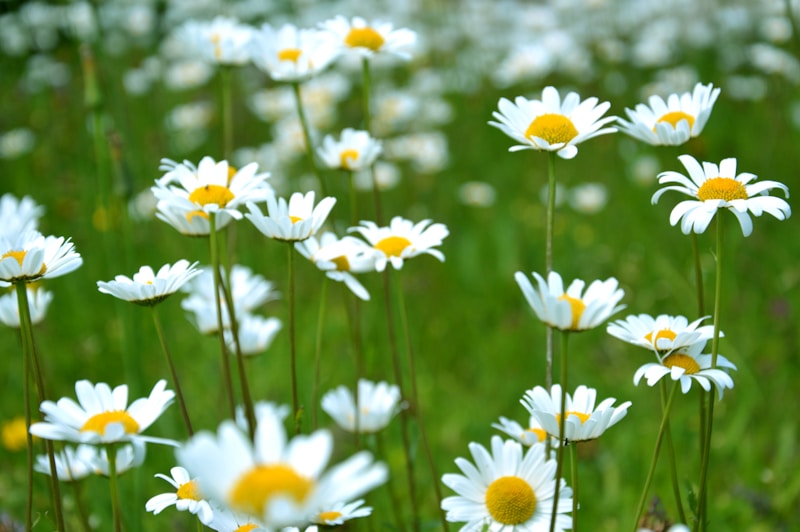
First thing to know: chamomile isn’t technically “tea.” It’s a herbal infusion made from dried chamomile flowers.
That distinction sounds nerdy, but it matters. It’s why chamomile has zero caffeine.
There are two main kinds you’ll run into. German chamomile is the common one, and Roman chamomile is a little more bitter and less common.
The taste is soft and floral. Think sweet, a bit like apple, with a honey note underneath.
People have reached for it as an evening drink for a very long time. It’s the classic “wind down before bed” cup.
What Is White Tea?
White tea is a real tea. It comes from the Camellia sinensis plant, the same plant behind green, black, and oolong.
What makes it “white” is how little happens to it. It’s made from young buds and leaves, then barely processed.
Because there’s so little processing, the flavor stays delicate. It’s light, naturally sweet, and fresh, without the strong grassy or roasty notes you get elsewhere. Want to understand how regional terroir affects teas like white tea? What makes regional teas special explains the geography behind the flavor.
And yes, it has caffeine. All true teas do, since they come from the same plant.
The upside people love: minimal processing means it holds onto a lot of polyphenols and antioxidants.
Chamomile vs White Tea: What’s the Difference?
Let’s break the differences into the parts you’ll actually notice in your cup.
Plant Origin
Chamomile comes from a flower. White tea comes from the tea plant.
That’s the root of almost every other difference on this list. One is an herb, one is a true tea.
Flavor
Chamomile leans floral. You’ll get honey and a soft apple sweetness.
White tea is lighter and fresher. Expect delicate sweetness, a hint of melon or hay, and a clean finish.
Caffeine
This is the big one for a lot of people. Chamomile has 0 mg of caffeine, full stop.
White tea usually lands around 15–30 mg per cup, depending on the leaves and how you brew it. That’s gentle compared to coffee, but it’s not nothing.
So if caffeine is your deal-breaker, chamomile wins by default.
Processing
Chamomile is basically just dried flowers. That’s it.
White tea leaves are withered and lightly oxidized. Still minimal, but a step more involved than drying a flower.
Color
Chamomile brews up a warm golden yellow. White tea is much paler, almost a soft straw color.
If your “white tea” comes out dark, it probably steeped too long or too hot. Temperature and timing matter more than you’d think — common brewing mistakes covers the fixes that save most cups.
Aroma
Chamomile smells sweet and floral, like a meadow. White tea smells fresher, with hay, honey, and a touch of melon.
Which Tea Has More Health Benefits?
Fair warning: I’m not going to overpromise here. Tea is lovely, but it’s a drink, not medicine.
Here’s the honest breakdown.
Better for Relaxation
Winner: chamomile. It contains a compound called apigenin, which is why it’s the go-to evening cup.
The sleep evidence is real but modest, so treat it as a calming ritual rather than a guaranteed knockout.
Better for Antioxidants
Winner: white tea. Because it’s barely processed, it holds onto a lot of catechins and polyphenols.
If antioxidants are your reason for switching, white tea is the stronger pick.
Better for Digestion
This one’s more balanced. Chamomile is often used to settle the stomach after a heavy meal.
White tea is gentler than black tea, but people don’t usually reach for it as a digestive aid.
Better for Weight Management
White tea has a slight edge, but let’s be realistic. The benefit mostly comes from swapping out sugary drinks and getting those antioxidants.
No tea melts fat. Anyone selling you that is selling you something.
Better for Stress
Chamomile again. That warm, caffeine-free, floral cup is built for a stressful evening. If your whole routine feels off, building a simple tea ritual can turn a scattered day into something intentional.
Which Tea Tastes Better?
Honestly? This one’s personal. But here’s how to guess which you’ll like.
You’ll probably love chamomile if you enjoy floral, honeyed, cozy flavors. It’s a comforting, rounded cup.
You’ll probably love white tea if you like clean, light, slightly sweet drinks. It’s subtle, and that subtlety is the whole point.
If you tend to find herbal teas “too perfumey,” start with white tea. If you find real teas “too strong,” start with chamomile.
Which Tea Is Better for Beginners?
Here’s the simple decision guide. Find yourself in this list.
- Need help winding down at night → Chamomile
- Want a gentle morning tea → White tea
- Need zero caffeine → Chamomile
- Curious about real, true tea → White tea
- Love delicate, subtle flavors → White tea
- Prefer sweet, floral herbal drinks → Chamomile
There’s no wrong answer. There’s just the one that fits your day.
Can You Drink Both?
Yes, and this is actually my favorite way to do it. You don’t have to pick a side.
Think of them as two different tools for two different moments. One’s for energy, one’s for rest.
Here’s a simple daily rhythm to try:
- Morning: White tea for a gentle, low-caffeine start
- Afternoon: White tea again, or switch to chamomile if you’re sensitive to caffeine after lunch
- Night: Chamomile to wind down before bed
Give it a week. You’ll quickly feel which cup belongs to which part of your day.
The Decision Chart Nobody Else Gives You
Most articles just compare health benefits and call it a day. But you don’t drink tea in a vacuum. You drink it at a specific moment, for a specific reason.
So here’s the chart I wish I’d had when I started.
| Your Situation | Best Choice |
|---|---|
| Before bed | Chamomile |
| First thing in the morning | White tea |
| Replacing your afternoon coffee | White tea |
| Stressful, overwhelming day | Chamomile |
| Want the antioxidant boost | White tea |
| Sensitive to caffeine | Chamomile |
| Your first-ever loose-leaf tea | White tea |
| A relaxing evening ritual | Chamomile |
Screenshot that one. It answers “which do I drink right now” better than any benefits table.
Final Verdict
I’m not going to crown one tea the winner, because that’s not how this works. It depends entirely on what you want out of the cup.
Choose chamomile if you want relaxation, caffeine-free evenings, and a soothing herbal drink to end the day.
Choose white tea if you want a true, delicate tea with light caffeine and a solid antioxidant profile.
And if you’re like most tea drinkers I know, you’ll end up loving both. White tea to move through your day, chamomile to close it out.
Start with whichever one matches your next free ten minutes. That’s the real starting line.
FAQs
Is chamomile tea healthier than white tea? Neither is flatly “healthier.” Chamomile is caffeine-free and calming, while white tea brings more antioxidants. It depends on your goal.
Does white tea help you sleep? Not really, since it contains caffeine. For sleep, chamomile is the better pick.
Which tea has more antioxidants? White tea, thanks to its minimal processing.
Is chamomile actually tea? No. It’s a herbal infusion made from flowers, not from the tea plant.
Does white tea contain caffeine? Yes, usually around 15–30 mg per cup. It’s gentle, but it’s there.
Can I drink white tea before bed? It’s better as a daytime tea because of the caffeine. Save chamomile for the evening.
Which tea is better for anxiety? Chamomile is the traditional choice for a calm, caffeine-free wind-down.
Which tea tastes sweeter? Both are naturally sweet. Chamomile is honey-floral, white tea is light and fresh.
Can I drink chamomile every day? For most people, yes. If you’re pregnant or on medication, check with your doctor first.
Can you mix chamomile with white tea? You can. It’s a soft, low-caffeine blend that leans relaxing rather than energizing.
Which tea is better for beginners? White tea if you want to explore real tea, chamomile if you want caffeine-free comfort.
Should I drink chamomile or white tea in the morning? White tea, for the gentle lift. Chamomile fits the evening far better.
New to all this? That’s exactly who we write for. Join the YourChoiceSip newsletter for simple, no-jargon brewing guides sent straight to your inbox.
