You’ve probably noticed it. That Yunnan tea you just tried tastes completely different from your usual Darjeeling, even though they’re both from the same plant.
And you’re wondering: what’s actually going on here? Why does location matter so much for something as simple as tea leaves?
Here’s the thing. The place where your tea grows shapes everything about it — from the first sip to the aftertaste that lingers.
Let me show you exactly what makes regional teas unique, starting with why Yunnan has become legendary among serious tea drinkers.
Understanding Tea Terroir: Why Location Changes Everything
What Tea Terroir Actually Means
You’ve heard wine people talk about terroir endlessly. Same concept applies to tea, but somehow it gets less attention.
Terroir is basically how geography, climate, soil, and altitude team up with human skill to create flavor. It’s not just one thing — it’s everything working together.
Think about it this way: you can take cuttings from the same exact tea plant and grow them in different places. They’ll taste completely different.
The Four Things That Shape Your Tea’s Flavor
1. Geography & Altitude
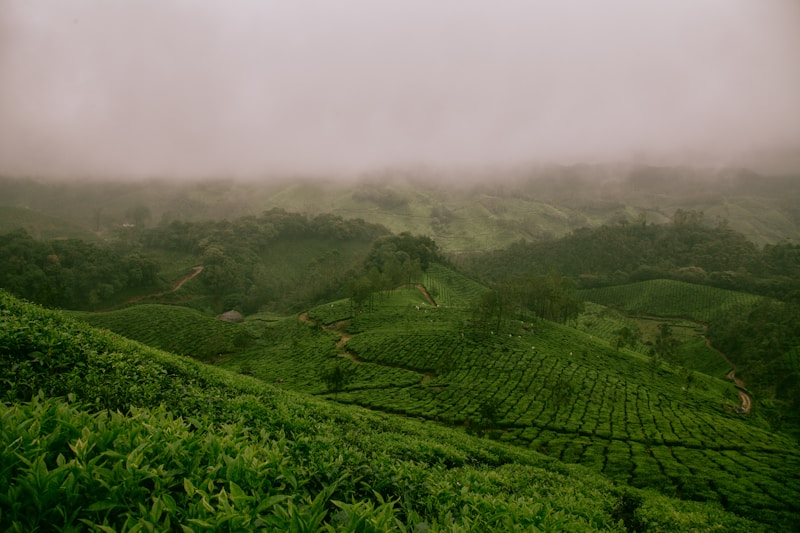
High mountains create complex flavors through temperature swings, mist, and intense UV exposure. Your morning Darjeeling gets its delicate character partly because it grows at serious elevation.
Mountain slopes also drain naturally. Tea plants hate wet feet, so this matters more than you’d think.
Compare high-altitude Darjeeling to low-elevation Assam. Same country, totally different taste profiles.
2. Climate Factors
Tea plants thrive between 18-28 degrees C with 75-85% humidity and about 1500-2500mm of rain yearly. But here’s what’s interesting: climate stress actually triggers the compounds that create unique flavors.
Seasonal variations develop complexity. That’s why first flush Darjeeling tastes so different from second flush — different weather, different chemistry.
3. Soil Composition
Tea loves acidic soil, ideally between pH 4.5-6.5. The minerals in that soil go straight into your cup.
Wuyi Mountains in China have rocky, mineral-rich soil. Assam has clay-like tropical soil.
You can literally taste the difference.
4. Human Factor: How It’s Made
Traditional methods get passed down through generations. Each region has its own processing secrets.
The way farmers pick, wither, roll, oxidize, and dry the leaves completely transforms the final flavor. Same raw material, different hands, different tea.
Why Yunnan Tea Has Become Legendary
The Birthplace of Tea
Yunnan isn’t just another tea region. It’s where tea originated.
Ancient tea trees over 1,700 years old still grow there. Jingmai Mountain alone has 1.13 million ancient tea trees across 1,870 hectares — UNESCO recognized it as a World Heritage Site in 2023.
This is southwestern China, border region, incredibly diverse microclimates. Mountains reaching over 6,000 meters creating every possible growing condition.
What Makes Yunnan’s Growing Conditions Different
The climate stays spring-like year-round. Average temperature around 18 degrees C with over 1,200mm of rainfall annually.
Here’s the key thing: Yunnan grows the indigenous Assamica varietal, which produces teas with thick texture and rich, bold flavor. These aren’t delicate plants — they grow 15+ feet high over hundreds of years.
That subtropical climate combined with those massive, ancient trees creates something you can’t replicate anywhere else.
The Four Types of Yunnan Tea You Need to Know
Pu-erh Tea (普洱茶)
This is Yunnan’s claim to fame. Fermented tea that actually improves with age like fine wine.
There’s raw Pu-erh (Sheng) and ripe Pu-erh (Shou). Raw ages naturally over years or decades, ripe gets artificially fermented to speed things up.
The flavor? Earthy, umami-rich, sometimes described as tasting like a forest floor in the best possible way.
Vintage 20-year-old Pu-erh can sell for thousands per kilogram. Serious collectors treat it like investment-grade wine.
Dian Hong (Yunnan Black Tea)
This tea has gorgeous golden-tipped leaves and tastes incredibly malty and sweet. Think chocolate and honey notes.
It’s called “the Surgeon’s tea” because it wakes you up without making you jittery. Perfect morning tea if espresso makes you anxious.
Production only started in the 1940s for export, but it quickly became one of China’s premium black teas.
Yunnan White Tea
Yue Guang Bai (Moonlight White) is the star here. Honey and apricot notes, minimally processed.
White tea preserves delicate flavors better than any other processing method. And like Pu-erh, it ages beautifully — developing deeper complexity over time.
Yunnan Green Tea
Light and slightly sweet with floral or fruity notes. Traditional pan-firing method gives it character.
Not as famous as the other three, but definitely worth trying if you like green tea with more body.
Why Ancient Tea Trees Matter
Trees that are 200-600+ years old occupy the absolute best growing locations. Their roots go incredibly deep, accessing nutrients and minerals that young bushes can’t reach.
Wild and semi-wild trees grow pesticide-free naturally. They’re more nutrient-rich because they’ve adapted to their environment over centuries.
The flavor profiles from ancient trees are complex in ways that young plantation bushes simply cannot replicate. There’s a reason collectors obsess over them.
Plus there’s huge cultural significance. Local ethnic groups like the Bulang and Dai have been stewarding these forests for generations.
How to Actually Taste Regional Differences
Reading about terroir is one thing. Tasting it yourself changes everything.
Here’s how to set up a simple tasting that’ll make regional differences crystal clear.
Setting Up Your Tasting
Get 3-4 teas from different regions. I’d suggest: a Yunnan Pu-erh, a Darjeeling, an Assam, and maybe a Japanese Sencha or Chinese Longjing.
Use the same water for all of them. Temperature matters though — follow the brewing instructions for each tea type.
White cups help you see color differences. Clear glass works too.
What You’re Looking For
Visual Differences
Look at the dry leaves first. Size, color, how tightly they’re rolled — all different.
Then check the liquor color. Yunnan Pu-erh might be dark reddish-brown, Darjeeling could be pale golden, Assam deep amber.
Aroma Comparison
Smell each tea right after brewing. First impressions: floral, earthy, malty, grassy?
The aroma changes as the tea cools. Notice how it evolves.
Taste & Mouthfeel
Body matters. Is it light and delicate or full and robust? Does it feel smooth, astringent, creamy?
Identify specific flavor notes. Yunnan might taste earthy and sweet, Darjeeling floral and muscatel, Assam malty and bold.
Pay attention to the finish — how long does the taste linger? What flavors come through in the aftertaste?
Brewing Behavior
See how many infusions each tea can handle. Pu-erh and oolongs can go 6-8 rounds easily.
Watch how the flavor evolves across multiple steeps. Some teas get sweeter, others reveal hidden notes, some fade quickly.
Quick Tasting Notes Framework
Keep it simple. Write down:
- Tea name and origin
- First impression (one word)
- Main flavor notes (2-3 descriptors)
- Body (light/medium/full)
- Would you buy it again? (yes/no/maybe)
You don’t need fancy wine-tasting vocabulary. “Tastes like wet leaves after rain” is perfectly valid.
Questions You’re Probably Asking
What’s the difference between Yunnan and Darjeeling tea?
Yunnan grows large-leaf Assamica plants that produce bold, earthy teas like Pu-erh. Darjeeling grows small-leaf China varietals at high altitude, creating delicate, floral, muscatel-flavored teas.
Completely different climates, soil, and processing traditions. They’re not even in the same flavor family.
Why is Yunnan famous for Pu-erh tea?
Ancient tea trees, perfect subtropical climate, and centuries of fermentation knowledge. The indigenous Assamica varietal naturally suits the aging process.
Other regions try to make Pu-erh, but Yunnan’s terroir and traditional methods create the authentic stuff.
Does altitude really affect tea taste?
Absolutely. Higher elevation means cooler temperatures, more mist, intense UV exposure, and slower leaf growth.
Slower growth concentrates flavors. That’s why high-mountain teas command premium prices — they genuinely taste more complex.
Are ancient tree teas worth the price?
If you care about complexity and uniqueness, yes. Ancient trees produce flavors you literally cannot get from young bushes.
But for everyday drinking? Regular Yunnan tea still tastes great and costs way less.
How do I start exploring regional teas?
Start with a sampler set from a reputable vendor. Get small amounts of 4-5 different regional teas.
Try them side by side. Your palate will quickly learn what you like and why regions matter.
Can the same tea plant taste different in various regions?
Yes, dramatically different. Take clippings from one plant, grow them in different locations, and they’ll develop completely unique flavors.
That’s terroir in action — environment shapes everything.
What’s the most expensive regional tea?
Vintage aged Pu-erh can sell for thousands per kilogram. First flush Darjeeling from premium estates also commands serious prices.
But “most expensive” doesn’t always mean “best for you.” Start with mid-range options and work up.
Why This Actually Matters for Your Tea Drinking
Regional teas aren’t just marketing hype. The differences are real, measurable, and taste-able.
Understanding terroir helps you find teas you’ll actually love instead of randomly buying whatever sounds interesting. It’s the difference between “this tea is fine” and “I need to order more of this immediately.”
Start with Yunnan if you want bold, earthy, complex flavors that age beautifully. Try Darjeeling for delicate, floral elegance.
Not sure how to evaluate tea quality when shopping? Our guide to choosing green tea covers the specific criteria that matter.
The best part? Every region offers something completely different. You could spend years exploring and never get bored.
Your next step: grab a sampler set of regional teas and do that side-by-side tasting. Your palate will thank you.
