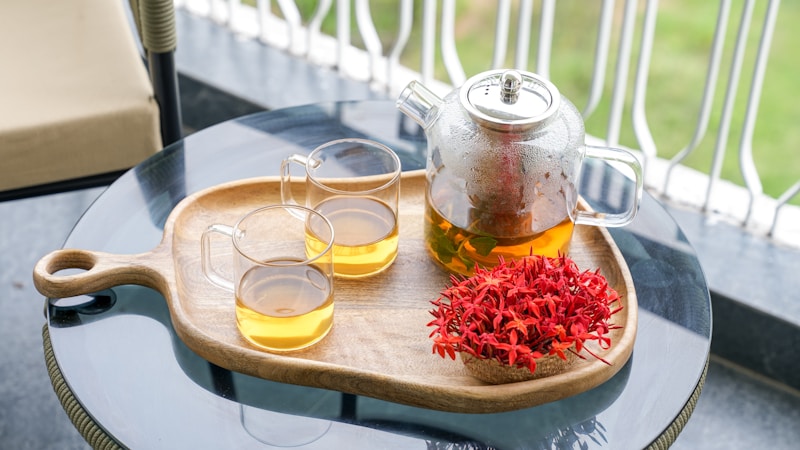
You just bought some gorgeous loose leaf tea. Now you’re staring at your old ceramic pot, wondering why you can’t see any of the magic happening inside.
That’s the exact moment most people discover glass teapots. And honestly? It changes everything.
If you’re tired of guessing when your tea is ready, or you’re sick of your pot smelling like last week’s Earl Grey, you’re in the right place. Let’s break down everything you actually need to know.
What Makes Glass Teapots Special?
Glass teapots let you watch the show. You see the leaves unfurl, the color bloom, the whole process happen in real time.
This isn’t just pretty. It’s practical.
You can actually see when your tea hits the right color instead of guessing and over-steeping it. For blooming teas or flowering tea balls, glass is basically non-negotiable. You’d be missing the entire point of the tea otherwise.
There’s also the material itself. Quality glass teapots use borosilicate glass, which handles heat shock without cracking.
It won’t absorb flavors either. Switch from jasmine green tea to a bold chai, and your pot won’t carry over any weird taste. Try that with an old clay pot and you’ll taste yesterday’s tea in today’s cup.
Types of Glass Teapots You’ll Come Across
Not all glass teapots are built the same. Here’s what actually matters.
Single-wall vs. double-wall. Single-wall pots are simple and affordable, but they lose heat fast. Double-wall pots trap air between two layers of glass, so your tea stays hot longer and the outside stays cool enough to touch.
With or without an infuser. Most glass teapots come with a removable glass or stainless steel infuser. This matters a lot if you drink loose leaf tea daily — you just lift it out when your tea’s done steeping.
Stovetop-safe vs. heat-resistant only. Some pots can go directly on a stovetop flame. Others can only handle hot water poured in. Check this before you buy, because using the wrong pot on a burner can crack it.
Capacity. If you’re brewing solo, 12-16 oz is plenty. Hosting friends or family? Go for 32 oz or more.
Why People Are Switching to Glass
The biggest reason is flavor purity. Glass doesn’t react with tea, so what you taste is exactly what the tea leaves intended.
It’s also easier to keep clean. Tea stains show up clearly on glass, which actually helps — you know exactly when it’s time to clean.
Many glass teapots are dishwasher safe, which saves you time on busy mornings. And there’s zero risk of anything leaching into your hot water, unlike some old metal or low-quality ceramic pots.
Then there’s the visual factor. A glass teapot on your table just looks better. It’s a small thing, but it makes your tea ritual feel more intentional.
The Downsides (And How to Handle Them)
Glass can break. That’s the honest truth.
But quality borosilicate glass is far more durable than people expect. It handles sudden temperature changes without shattering, which is the main reason teapots crack in the first place.
Heat retention is another concern with single-wall designs. The fix is simple: go double-wall, or just wrap a tea cozy around it.
Price can run higher than basic ceramic. But a well-made glass teapot often lasts years, so it evens out.
How to Choose the Right One
Start with size. Think about how often you drink tea alone versus with others.
Next, check the glass quality. Look specifically for “borosilicate” in the product description — this is the strength that matters most.
Look at the infuser too. Fine mesh works best because it strains out even small tea particles, giving you a clean cup without bits floating around.
Check the spout. A good spout pours smoothly without dripping down the side of the pot and onto your table.
And don’t ignore the handle. It should stay cool even after the pot’s been holding hot tea for a while.
Budget-wise, expect to spend $15-30 for a solid entry-level pot. Mid-range options run $30-60 and usually include better insulation. Premium artisan pieces go for $60 and up, often with hand-blown glass and unique designs.
How to Brew Tea in a Glass Teapot
Water temperature changes everything. Green tea wants water around 175 degrees F. Black tea wants it closer to 200 degrees F. Herbal teas can usually handle a full boil.
Warm your pot first by rinsing it with hot water before you add your leaves. This keeps the temperature steady once you start steeping.
For loose leaf tea, use about one teaspoon per 8 oz of water. Adjust to taste once you get a feel for your favorite blends.
Most teas can be steeped two or three times before the flavor fades. Glass makes this easy because you can literally see how much color is left in the leaves.
Keeping Your Glass Teapot Clean
Rinse it right after you finish your tea. This one habit prevents most staining before it starts.
For regular cleaning, warm water and a soft sponge do the job. Skip anything abrasive — it can scratch the glass over time.
For deeper stains, mix baking soda and a little water into a paste. Let it sit for ten minutes, then scrub gently and rinse.
White vinegar works too, especially for cloudy buildup. Just soak the pot in a vinegar-water mix for about 20 minutes.
Store your teapot somewhere it won’t get knocked around. And let it dry completely before putting the lid back on, so it doesn’t develop any musty smell.
Glass vs. Other Materials
Ceramic holds heat a bit better, but it can absorb flavors over time. Glass stays neutral no matter what you brew.
Cast iron looks beautiful and retains heat exceptionally well, but it’s heavy and needs more careful maintenance to avoid rust.
Clay pots, like Yixing, actually enhance certain teas by absorbing their flavor over years of use. But that means you need a dedicated pot per tea type, which isn’t practical for most people. Want to learn more about other teapot materials? Our guide to types of teapots covers clay, porcelain, cast iron, and more.
Glass is the most versatile option if you drink a variety of teas and want to see what you’re brewing.
Quick Answers to Common Questions
Is glass safe for boiling water? Yes, as long as it’s labeled borosilicate glass.
Can I use it on the stove? Only if it’s specifically marked stovetop-safe. Check before you try it.
How do I stop it from breaking? Avoid sudden temperature changes, like pouring boiling water into a cold pot.
What’s the difference between borosilicate and regular glass? Borosilicate resists thermal shock. Regular glass can crack from rapid heating or cooling.
Can I brew coffee in it too? Yes, though you may notice a light tea aroma lingering unless you clean it thoroughly.
Final Thoughts
A glass teapot solves a real problem: not knowing what’s happening inside your pot while you brew. You get to see the process, control the timing, and taste your tea exactly as it’s meant to be.
Pick one with quality borosilicate glass, the right size for your routine, and a spout that actually pours well. From there, it’s just you, your favorite tea, and a much better brewing experience.
