Are you tired of your tea tasting bland no matter what premium leaves you buy? You’re probably making the same mistake most tea lovers make.
You’re focusing on the tea instead of what’s brewing it.
Here’s what nobody tells you: your teapot matters more than you think. The wrong material can make your expensive Earl Grey taste like dishwater. The right one transforms even basic tea bags into something special.
So let’s fix your tea game once and for all.
Why Your Current Teapot Might Be Ruining Your Tea
Before you spend another dollar on fancy tea blends, ask yourself this: what’s your current teapot made of?
If you’re using that old metal kettle from college, we need to talk. Metal can give your tea a tinny aftertaste. If you’re brewing in a mug with a tea bag, you’re missing out entirely.
Here’s the thing about teapot materials. Some soak up flavors over time and actually make your tea better. Others stay completely neutral so you taste exactly what the tea maker intended.
Temperature matters too. Some materials keep your tea piping hot for an hour. Others go lukewarm in minutes.
Ceramic and Porcelain: Your Safe Bet for Great Tea
If you’re new to this whole teapot thing, start here. Ceramic teapots are like the reliable friend who never lets you down.
They heat evenly so every sip tastes the same. They don’t add weird flavors to your tea. They work with literally any tea you throw at them.
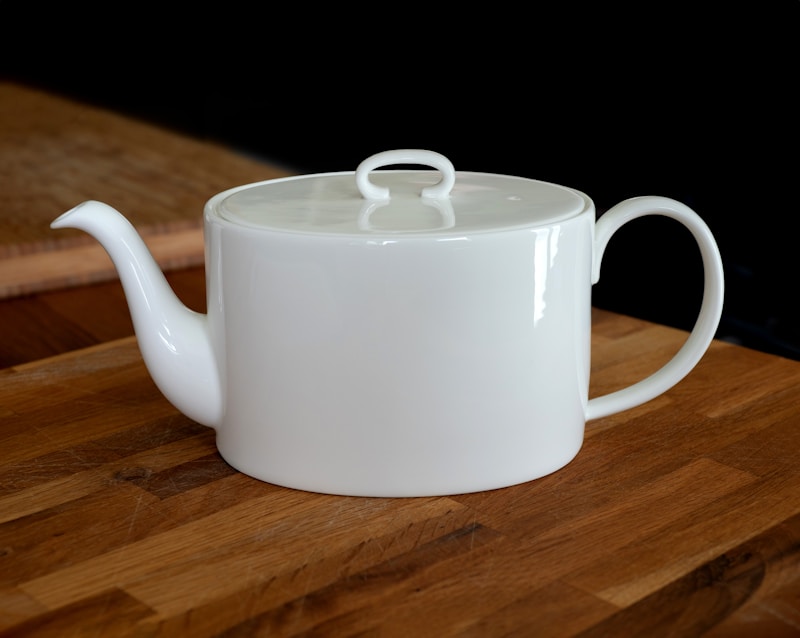
You know those beautiful teapots you see in English movies? Those are usually porcelain or bone china. They’re not just pretty faces either.
The thin walls heat up fast so you’re not waiting around. The smooth surface cleans easily so yesterday’s Earl Grey doesn’t affect today’s green tea.
But here’s what’s confusing about ceramic. You’ve got regular ceramic, then stoneware, then earthenware. What’s the difference?
Stoneware is your workhorse. Thick, sturdy, handles daily abuse. Earthenware is cheaper but more fragile. Both brew great tea.
Cast Iron: For When You Want Tea That Stays Hot Forever
Remember the last time you made a full pot of tea and the bottom half was cold by the time you got to it? Cast iron solves that problem.
These teapots are heavy. Like, really heavy. But that weight means they hold heat like nothing else.
You pour your first cup burning hot. Twenty minutes later, your second cup is still burning hot. An hour later, it’s still warm enough to enjoy.
The Japanese have been making these for centuries. Each one is basically a work of art. But you’ll pay for that craftsmanship.
Modern cast iron teapots often have enamel inside. This means easier cleaning and no rust worries. You get all the heat retention without the maintenance headaches.
Here’s what works best in cast iron: bold black teas, robust oolongs, anything that can handle sustained heat. Skip the delicate white teas – they’ll get bitter.
Want tea that stays hot all afternoon? See our cast iron selection and never drink lukewarm tea again.
Glass Teapots: For the Instagram-Worthy Tea Experience
Okay, let’s be honest. Part of you wants a teapot that looks amazing in photos. Glass teapots deliver.
You can literally watch your tea bloom as it steeps. Those fancy flowering teas? They’re made for glass teapots. Green teas that unfurl like little underwater plants? Pure magic.
But glass isn’t just about looks. It’s completely flavor-neutral. Your jasmine tea today won’t affect your chamomile tomorrow.
The downside? They cool down fast. You’re drinking while it’s hot or you’re drinking it lukewarm. No in-between.
Glass teapots love delicate teas that are beautiful to watch. Ball-shaped oolongs that slowly unfurl. Blooming teas that put on a show. Light green teas where you can see every leaf dancing.
Traditional Cultural Teapots: When You Want the Real Deal
Maybe you’ve heard about those special Chinese clay teapots that get better with age. They’re called Yixing teapots, and the hype is real.
Here’s how they work. The clay is porous, so it absorbs tiny amounts of tea oils over time. After months of use, the pot itself starts flavoring your tea in the best possible way.
But there’s a catch. You can only use one type of tea per pot. Your oolong pot stays your oolong pot forever. Use it for black tea once and you’ve ruined the seasoning.
Japanese kyusu teapots are different. They’re built specifically for green tea with that distinctive side handle and built-in strainer. No fumbling with separate tea balls.
Then there are English Brown Betty teapots. That round shape isn’t just traditional – it actually helps tea leaves circulate for better brewing.
Modern Options: When Convenience Matters
Look, not everyone wants to become a tea ceremony expert. Sometimes you just want good tea without the fuss.
Stainless steel teapots are basically bulletproof. Drop them, bang them around, use them every day for years. They keep chugging along.
They’re not romantic, but they’re practical. Great for offices, camping, or when you’re making tea for a crowd.
Electric teapots take convenience further. Set your temperature, walk away, come back to perfectly brewed tea. Some even remember your preferences.
Travel teapots solve the “I’m away from home but still want good tea” problem. Compact, usually unbreakable, designed for tea lovers on the go.
Need something that fits your busy lifestyle? Browse our modern teapot options for convenience without compromise.
So What Should You Actually Buy?
Here’s the truth nobody wants to tell you. You probably need just one good teapot to start. Don’t let anyone convince you otherwise.
If you drink different types of tea, get ceramic or glass. They work with everything and won’t break the bank.
If you’re a black tea person who wants tea to stay hot, invest in cast iron. Yes, it costs more upfront. Yes, it’s worth it.
If you’re all about that green tea life, consider a Japanese kyusu. It’s designed specifically for what you’re drinking.
Size matters too. Brewing for one? Get a 2-cup pot. Family of tea drinkers? Go bigger. Just remember that teapot “cups” are smaller than your coffee mug.
Ready to upgrade your tea experience? Shop our complete collection or ask our tea experts which teapot fits your specific needs.
Your Most Common Teapot Questions Answered
What if I’m on a tight budget? A quality ceramic teapot under $30 will dramatically improve your tea over brewing in mugs. Don’t overthink it – even an affordable upgrade makes a difference.
Can I put my teapot in the dishwasher? Most ceramic and glass teapots are dishwasher safe. Cast iron and traditional clay pots need hand washing. Check the care instructions before you buy.
How do I know what size to get? Think about how much tea you typically drink at once. A 2-cup pot serves 1-2 people. A 6-cup pot handles small gatherings. Remember, you can always brew multiple pots.
Will an expensive teapot really make my tea taste better? Up to a point, yes. The jump from a $10 teapot to a $50 one is huge. The jump from $50 to $200 is smaller but still noticeable if you’re serious about tea.
Do I really need different teapots for different teas? Only if you want to get really serious about it. Most people are perfectly happy with one versatile ceramic or glass teapot that handles everything.
Time to Upgrade Your Tea Game
You came here because your tea isn’t living up to your expectations. Now you know why.
Your teapot choice affects temperature, flavor, and the entire tea experience. The right one turns ordinary tea time into something you actually look forward to.
Ready to buy? Our guide to the top Chinese teapot brands reveals which names tea enthusiasts actually trust. If you go with a Yixing clay pot, here’s how to season and care for it.
Don’t overthink this. Pick a material that matches how you drink tea. Choose a size that fits your routine. Buy from somewhere that stands behind their products.
