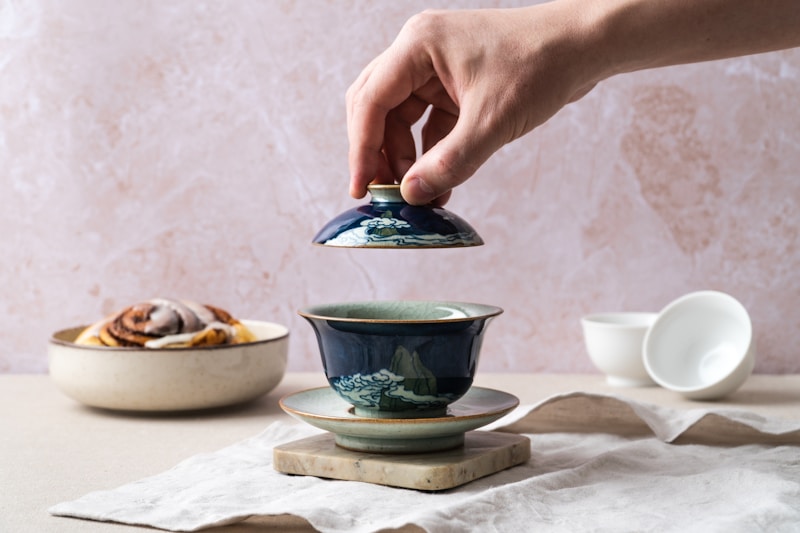
Let’s be honest — choosing your first gaiwan can feel overwhelming. You’ve probably seen those elegant three-piece tea sets and wondered if you’ll end up burning your fingers or looking like an amateur.
The good news is that finding the perfect gaiwan doesn’t require years of tea ceremony training. With the right guidance, you can select a gaiwan that enhances your tea experience from day one while avoiding common beginner pitfalls.
What Exactly is a Gaiwan?
A gaiwan is a traditional Chinese lidded bowl consisting of three parts: the bowl, lid, and saucer. This design originated in the 9th century and evolved into its modern form during the 18th century.
Think of it as the Swiss Army knife of tea brewing — it’s both a brewing vessel and a drinking cup. Unlike Western teapots that trap flavors over time, gaiwans give you complete control over each steeping, making them perfect for exploring different teas. New to gaiwan brewing? Here’s why every tea drinker should try one at least once.
The beauty lies in its versatility. You can brew delicate green teas without overpowering them, or coax complex flavors from dark oolongs with precision timing.
The 5 Essential Factors for Your Perfect Gaiwan
Material: Your Foundation Choice
Porcelain is your best friend as a beginner. It’s neutral, won’t absorb flavors, and handles temperature changes gracefully while being forgiving to new users.
Porcelain gaiwans heat up quickly but don’t retain scorching temperatures like some materials. You’ll find quality porcelain options ranging from $15 to $50, making them accessible without compromising on functionality.
Glass gaiwans look stunning but come with challenges. While watching tea leaves unfurl is mesmerizing, glass conducts heat aggressively and most designs prioritize aesthetics over ergonomics. Want to learn more about glass teapots? Our full guide covers the pros and cons.
If you’re drawn to visual brewing, choose borosilicate glass with a thicker rim. However, expect a steeper learning curve and potentially sore fingertips while you master the technique.
Ceramic and celadon offer traditional appeal. These materials provide excellent heat retention and often feature beautiful glazes, but they typically cost more and can be heavier to handle.
Skip clay or Yixing-style gaiwans for now. These absorb tea flavors over time, meaning you’ll need different gaiwans for different tea types—definitely not beginner-friendly.
Size: Finding Your Sweet Spot
Aim for 120-160ml capacity for your first gaiwan. This range gives you enough volume to properly brew tea while remaining manageable for beginners.
The 160ml size hits the perfect balance—large enough for 2-3 small cups of tea but small enough to control easily. It’s also ideal whether you’re brewing solo or sharing with one other person.
Consider smaller gaiwans (80-120ml) if you drink expensive teas frequently. Smaller volumes mean less waste when experimenting with premium leaves, plus you’ll have better control over steeping times.
Avoid gaiwans larger than 180ml initially. They become unwieldy when full of hot water, and you’ll struggle with the pouring technique that makes gaiwan brewing so elegant.
Here’s a practical test: hold your non-dominant hand as if cradling a small bowl. The gaiwan should feel secure in that grip without your fingers stretching uncomfortably.
Shape and Design: Function Trumps Beauty
Look for a wide, shallow bowl rather than deep and narrow. Wide bowls give tea leaves room to expand and make it easier to control your pour.
The opening should be proportional to the base—too narrow and you’ll have trouble accessing the leaves; too wide and the lid won’t balance properly.
Pay attention to the lid design. A quality gaiwan lid sits naturally at a slight angle when placed correctly, creating a small gap for pouring without sliding off.
The knob should be large enough to grip comfortably but not so big that it throws off the balance. Look for knobs that stay relatively cool during brewing.
Examine the saucer carefully. It should have a defined seat that keeps the bowl stable and protects your surfaces from heat.
A shallow saucer is practically useless—you want enough depth to catch drips and provide a secure resting place for the bowl.
Thickness: The Goldilocks Principle
Moderate thickness is your target. Too thin and you’ll burn your fingers; too thick and the gaiwan becomes clunky and slow to respond to temperature changes.
Quality porcelain should feel substantial but not heavy. When you tap it gently, it should produce a clear, bell-like ring rather than a dull thud.
Test the rim thickness if buying in person. Thin rims are more comfortable for drinking directly from the gaiwan, but they’re also more fragile.
A rim that’s too thick feels awkward against your lips and can interfere with the pouring technique.
Budget: What Your Money Gets You
Entry-level gaiwans ($15-30) are perfect for beginners. You’ll get functional brewing capability without breaking the bank while you develop your preferences.
Expect simple designs and basic porcelain, but avoid anything under $10—it’s likely poorly made with ill-fitting parts.
Mid-range options ($30-75) offer the best value for most buyers. You’ll see improvements in craftsmanship, better proportions, and often more attractive designs.
This price range typically features hand-finished details and higher-quality porcelain that will last for years with proper care.
Premium gaiwans ($75+) are investments in craftsmanship. Consider these once you’ve mastered basic techniques and know exactly what you prefer.
Red Flags to Avoid
Run from gaiwans with loose-fitting lids. The lid should rest securely on the bowl without rattling, but not so tightly that it’s difficult to adjust.
Mass-produced gaiwans often have lids that either fall off easily or require force to position properly. Both situations make brewing frustrating.
Avoid overly decorative pieces as your first gaiwan. Elaborate patterns and raised decorations can interfere with cleaning and make the gaiwan harder to handle.
Skip gaiwans with tiny saucers. If the saucer barely extends beyond the bowl’s base, it won’t provide adequate protection or stability.
Watch out for unrealistic pricing—extremely cheap gaiwans cut corners on quality, while overpriced ones often charge for brand names rather than superior functionality.
Where to Find Your Perfect Gaiwan
Specialized tea vendors offer the best selection and expertise. They understand gaiwan functionality and can guide you toward options that match your brewing style.
Online tea shops often provide detailed measurements and honest descriptions, plus they typically stand behind their products with reasonable return policies.
Local tea shops let you test before buying. Handle different sizes and materials to understand what feels natural in your hands.
Don’t hesitate to ask questions—knowledgeable shop owners love helping customers find their perfect brewing setup.
Avoid general marketplaces for your first gaiwan. While you might find bargains, you’ll also encounter many poorly made options without reliable quality control.
If you do shop online marketplaces, stick to sellers with extensive positive reviews specifically for tea equipment.
Getting Started with Your New Gaiwan
Practice with room temperature water first. Get comfortable with holding the gaiwan and pouring before adding the complexity of hot water.
The key technique involves using your thumb and middle finger to grip the rim while your index finger holds the lid slightly ajar. Your other hand supports the saucer.
Start with forgiving teas like white tea or light oolongs. These don’t become bitter easily if you’re still perfecting your timing. For more brewing fundamentals, avoid these 5 common mistakes.
Consider getting a small pitcher (chahai) for serving. It gives you a place to pour the tea before serving, reducing pressure to get the technique perfect immediately.
Caring for Your Investment
Daily cleaning is simple—just rinse with hot water. Avoid soap unless absolutely necessary, as it can leave residues that affect tea flavor.
Let your gaiwan air dry completely before storing to prevent water spots and mineral buildup.
Deep clean weekly with plain hot water and a soft brush. For stubborn stains, a paste of baking soda and water works wonders without harsh chemicals.
Store your gaiwan in a safe place where it won’t get knocked around. A dedicated tea cabinet or padded box protects your investment.
Your Gateway to Better Tea
Choosing your first gaiwan marks an exciting step in your tea journey. With a quality porcelain gaiwan in the 120-160ml range, you’ll have everything needed to unlock the full potential of your favorite teas.
Remember, the best gaiwan is the one you’ll actually use. Start with something functional and affordable, then upgrade as your preferences develop and your technique improves.
