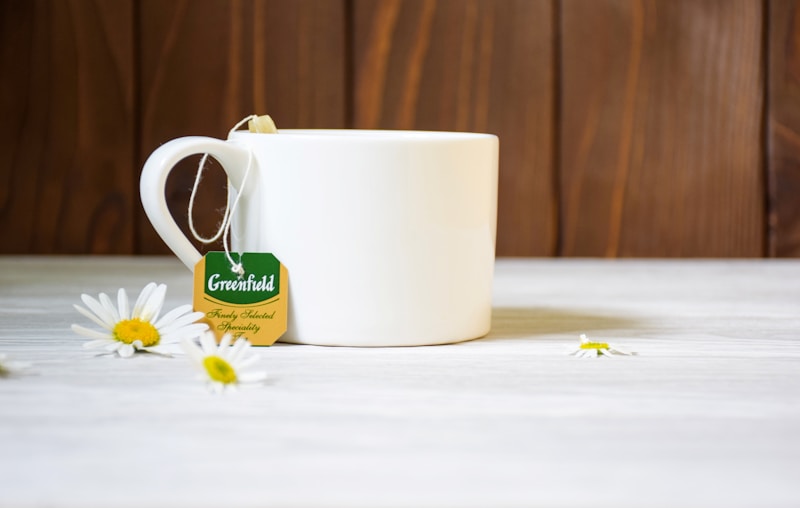
You’ve brewed your chamomile tea expecting a soothing, comforting drink, but instead you’re staring at a cup that tastes like bitter grass water. Sound familiar?
The good news is that chamomile tea doesn’t have to be a flavorless disappointment. With the right techniques and a few simple additions, you can transform your chamomile tea from bland to absolutely delicious.
Understanding Chamomile’s Natural Flavor Profile
Chamomile tea naturally offers subtle floral notes with hints of apple and honey-like sweetness. When properly brewed, it should have a smooth, gentle taste that’s neither too weak nor overwhelmingly bitter.
The problem is that many people don’t realize chamomile’s delicate flavor can easily be overpowered by incorrect brewing methods. If you keep getting bitter cups no matter what you brew, common brewing mistakes covers the fixes that save most teas.
Master the Brewing Fundamentals
Your water temperature makes or breaks your chamomile tea experience. Use water that’s just below boiling point—around 190-200°F (88-93°C)—to avoid extracting bitter compounds that can ruin the taste.
Steeping time is equally crucial for flavor development. Start with 5-7 minutes for a lighter, more delicate taste, or extend to 10-15 minutes if you prefer a bolder flavor profile.
The quality of your water matters more than you might think. If your tap water tastes off, your tea will too—consider using filtered water for the best results.
For the perfect tea-to-water ratio, use one teaspoon of dried chamomile flowers (or one tea bag) per 8 ounces of water. If you’re planning to add milk later, increase this ratio by about 50% to maintain flavor strength.
Natural Sweeteners That Actually Work
Honey is chamomile’s perfect partner, creating a rich and smooth taste that complements the tea’s natural apple notes. Raw honey works best, but any high-quality variety will enhance your tea’s flavor profile significantly.
Pure maple syrup offers a more complex sweetness with subtle caramel undertones. Start with just half a teaspoon per cup and adjust to your preference.
If you prefer alternative sweeteners, stevia works well in small amounts, while monk fruit sweetener provides sweetness without affecting chamomile’s delicate flavor. Avoid artificial sweeteners like aspartame, as they can actually accentuate any bitter notes in your tea.
Remember that timing matters when adding sweeteners. Add them while your tea is still hot to ensure they dissolve completely and distribute evenly throughout your cup.
Flavor Enhancement Techniques That Work
Citrus transforms chamomile tea from ordinary to extraordinary. Add a thin slice of lemon, orange, or even grapefruit to brighten the entire flavor profile.
For a splash of natural fruit flavor, try adding a teaspoon of fresh orange juice or a few drops of lemon juice. This works especially well for iced chamomile tea preparations.
Spice blends can turn your simple chamomile tea into a gourmet experience. Cinnamon sticks add warmth and natural sweetness, while fresh ginger brings a gentle heat that balances chamomile’s mildness.
Create your own signature blend by combining chamomile with complementary herbs. Lavender buds add floral depth, while peppermint leaves provide a refreshing contrast to chamomile’s earthiness.
A single drop of vanilla extract can transform your tea into a dessert-like experience. Start with just one drop—essential oils and extracts are potent and can easily overpower chamomile’s subtle flavor.
Creative Serving Methods
Turn your chamomile tea into a comforting latte by adding steamed milk and a drizzle of honey. This creates a creamy, dessert-like beverage that’s perfect for evening relaxation.
For hot summer days, cold-brew your chamomile tea by steeping it in room temperature water for 6-8 hours. This method produces a smoother, less bitter flavor that’s perfect over ice.
Create a chamomile chai by adding traditional chai spices like cardamom, cloves, and black pepper to your brew. This fusion approach appeals to both traditional tea lovers and adventurous flavor seekers.
Consider making chamomile tea ice cubes to add to regular iced tea or lemonades. This subtle addition provides gentle flavor without diluting your drinks.
Advanced Tips for Tea Connoisseurs
Quality matters significantly with chamomile tea. Loose-leaf chamomile flowers generally provide better flavor than tea bags, which often contain dust and broken pieces rather than whole flowers. Not sure which gear you actually need? Our tea tools guide separates the essentials from the nice-to-haves.
Store your chamomile properly in an airtight container away from light and heat. Fresh chamomile should smell sweet and floral—if it smells musty or has no scent, it’s time to replace it.
Consider the source of your chamomile tea. German chamomile typically offers a more intense apple-like flavor, while Roman chamomile provides a more bitter, herb-like taste.
Seasonal preparation can enhance your enjoyment. In winter, add warming spices like cinnamon and nutmeg, while summer calls for citrus and mint additions.
Troubleshooting Common Taste Issues
If your chamomile tea tastes too bitter, you’re likely using water that’s too hot or steeping too long. Reduce your water temperature to 185°F and limit steeping to 5 minutes maximum.
Weak-tasting tea usually means you need more chamomile, not longer steeping time. Double your tea quantity before extending brewing time to avoid bitterness.
When chamomile tastes too “medicinal,” balance it with complementary flavors like apple slices, cinnamon, or a touch of vanilla. These additions mask any harsh herbal notes while enhancing the pleasant ones.
For consistently good results, standardize your method. Use the same water temperature, steeping time, and tea quantity each time until you find your perfect formula.
Health Benefits That Enhance the Experience
Remember that improving chamomile tea’s taste encourages regular consumption of its health benefits. The relaxation and sleep-promoting properties work best when you actually enjoy drinking your tea.
Chamomile’s digestive benefits become more accessible when you look forward to your cup rather than forcing yourself to drink something unpalatable. Better taste equals better compliance with healthy habits.
Evening chamomile tea rituals are more effective for sleep when the taste itself becomes part of the relaxation experience. A delicious cup signals to your body that it’s time to wind down. Want a deeper ritual? Building a tea ritual turns a scattered evening into something intentional.
Your Perfect Cup Awaits
Making chamomile tea taste better isn’t complicated—it just requires attention to brewing basics and willingness to experiment with natural flavor enhancers. Start with proper water temperature and steeping time, then gradually introduce sweeteners and complementary flavors until you find your perfect combination.
The key is to treat chamomile tea as the versatile, flavorful beverage it can be rather than settling for bland disappointment. With these techniques, you’ll never have to force down another tasteless cup of chamomile tea again.
