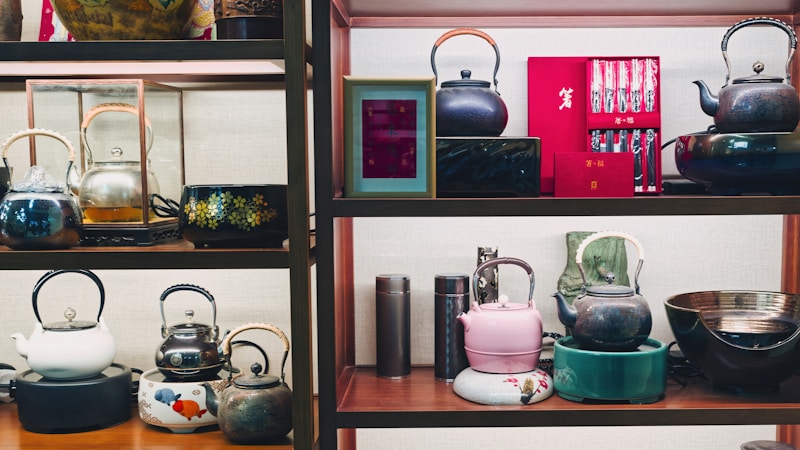
You finally found a loose leaf tea you love, and now the internet wants you to buy forty different tools. Kettles, gaiwans, trays, pitchers, tiny clay animals.
Here’s the good news. You need almost none of it to make great tea.
This guide splits tea tools into three piles: what you actually need, what’s worth buying later, and what you can happily ignore for now. Spend your money on better tea, not gadgets that end up in a drawer.
The biggest myth about tea tools
More gear doesn’t make better tea
A $200 setup won’t rescue a badly brewed cup. Your water, your leaves, and your timing matter far more than any accessory.
I’ve had incredible tea from a mug and a spoon. I’ve had sad tea from a full ceremony setup, so trust me, the gear wasn’t the difference.
Start simple, then upgrade
Learn to brew first. Buy tools once you actually know how you drink tea, not because a video made a clay pot look pretty.
Your habits should pick your setup. Not the algorithm.
The 5 tea tools you actually need
Five things. That’s the whole starter list.
A kettle
Any kettle heats water, and water is most of what tea is. A basic stovetop or electric one is completely fine on day one.
A variable temperature kettle is nice if you drink a lot of green or white tea, since those hate boiling water. If you mostly drink black or herbal tea, boiling is what you want anyway, so you can skip it for now.
Can you skip a kettle entirely? No, but you almost certainly already own one.
A mug or a small teapot
For most people, a mug is the honest answer. Brew right in it, sip, refill.
A small teapot helps if you like making a couple of cups at once or sharing. A gaiwan is a great tool too, but it has a learning curve, so it stays optional this early.
Budget tip: use the mug you already have.
A basket tea infuser
This is the one small purchase I’d actually nudge you toward. A deep basket infuser gives the leaves room to open up, and that space is where the flavor lives.
Skip the tiny mesh tea balls and the novelty silicone infusers. They cramp the leaves, and cramped leaves make thin, flat tea.
It usually costs under ten dollars and improves every single cup.
Good loose leaf tea
Here’s the plot twist. The biggest upgrade isn’t a tool at all.
Fresh, quality loose leaf tea does more for your cup than any teapot on earth. Put your money here first.
A timer
Boring, and weirdly important. Over-steeping ruins way more cups than the “wrong” teapot ever will.
Your phone works perfectly. Set it, walk away, come back to tea that isn’t bitter.
Nice-to-have upgrades (once you know you’re hooked)
These are the “I drink tea most days now” purchases. Real tools, just not starter tools.
Variable temperature kettle
Worth it if green, white, or Japanese teas are in your regular rotation. Those turn bitter in water that’s too hot, and dialing in the temperature fixes it instantly.
If black tea and herbals are your thing, you honestly won’t miss it.
Gaiwan
A gaiwan is a lidded bowl for brewing, and it’s cheap, flexible, and genuinely teaches you to brew. You control the leaf, the water, the timing, and the pour. Curious about the learning curve? Our guide on why you should try a gaiwan at least once covers what to expect — including the burned fingertips.
The catch is that learning curve. You’ll burn your fingertips once or twice before it clicks, and that’s normal.
Fairness pitcher (gong dao bei)
You pour your brewed tea into this before serving, so every cup tastes the same. It shines when you brew for other people or do several short steeps.
Drinking solo from a mug? You can skip it and lose nothing.
Tea scale
A small scale makes your tea repeatable. Once you find a leaf-to-water ratio you love, you can hit it every time instead of guessing.
Useful, not essential. Eyeballing works fine until you start chasing consistency.
Tea storage canisters
Tea goes stale with light, air, and moisture. Once you own more than a couple of teas, airtight canisters keep them fresh and tasting the way they should.
Fun accessories you don’t need yet
Now the pile you can smile at and walk right past.
A tea pet
It’s a little clay figure you pour leftover tea over, and it slowly changes color. Cute? Absolutely. Necessary? Not even a little.
Bamboo tea tools
The tiny tongs and scoops. Mostly convenience, and your clean hands do the same job.
A tea tray (cha pan)
Handy if you get into Gongfu brewing, where you pour water freely and need somewhere for it to go. For everyday Western-style brewing in a mug, it just eats counter space.
A Yixing teapot
Beautiful clay pots that serious tea drinkers swear by. They’re also pricey, and each one gets dedicated to a single type of tea. Before you buy one, learn how to tell if a Yixing teapot is actually authentic — up to 90% sold online are fakes.
Wait on this one. You want some experience and a clear favorite before you commit a whole pot to it.
Matching tea sets
They photograph beautifully. They also change nothing about how your tea tastes, so buy one because you want it, not because you need it.
Build your tea setup in three stages
Stage 1: under $30
A mug, a basket infuser, and good loose leaf tea. That’s a real, working setup, and it’s plenty to fall in love with the hobby.
Stage 2: under $80
Add a better kettle, a small teapot, and a storage canister. Now you can brew more, share more, and keep your leaves fresh.
Stage 3: full tea enthusiast
Add a gaiwan, a fairness pitcher, a tray, and maybe a Yixing pot once you’ve found your tea. This is where it turns into a ritual, not just a drink.
Where should you spend your money first?
If you remember one thing from this whole post, make it this table.
| Spend more on | Spend less on |
|---|---|
| Quality tea | A fancy tea tray |
| Fresh tea | Decorative accessories |
| A basket infuser | Expensive tool sets |
| Better water | Tea pets |
| Learning to brew | Matching tea sets |
Better leaves beat better gear, every single time.
Common beginner buying mistakes
I made a few of these myself, so zero judgment here.
Buying a full Gongfu set on day one, before you even know if you enjoy brewing that way. That’s a lot of money riding on a guess.
Picking tools because they look good instead of because they work. The pretty wears off fast when the infuser is a pain to clean.
Grabbing a pile of gadgets before you’ve found your favorite teas. Figure out what you actually drink, then buy for it.
Spending more on teaware than on tea. This is the classic trap, and it’s completely backwards.
Assuming expensive equipment makes better tea. It doesn’t. Your leaves and your technique do. If your tea tastes off despite decent gear, common brewing mistakes are usually the culprit.
Frequently asked questions
Do I need a teapot to make loose leaf tea? No. A mug and a basket infuser have you fully covered.
Is a temperature-controlled kettle worth it? Yes if you drink green or white tea often. Otherwise it’s a nice-to-have, not a need.
Can I brew tea without an infuser? Yes. Brew the leaves loose in a mug, then pour through a small strainer when you drink.
What’s the best tea tool for beginners? A deep basket infuser. It’s cheap, simple, and it improves every cup you make.
Do I need a gaiwan? No, but it’s a fun, affordable upgrade once you want more control over your brew.
Is a Yixing teapot worth buying? Eventually, maybe. Not as a beginner, since it’s an investment tied to one type of tea.
What’s the difference between a tea infuser and a tea strainer? An infuser holds the leaves while they steep. A strainer catches loose leaves as you pour tea that brewed freely.
Can I use coffee equipment to brew tea? Often, yes. A French press works well for loose leaf, and a gooseneck coffee kettle pours beautifully.
What tea accessories are a waste of money for a beginner? Tiny tea balls, novelty infusers, tea pets, and matching sets bought purely for the photos.
Should I buy tea tools or better tea first? Better tea. Every time.
The short version
You need a kettle, something to drink from, a basket infuser, a timer, and good loose leaf tea. That’s the list, and most of it is already sitting in your kitchen.
Everything else is a reward for later, once you know how you like your tea. Start small, drink a lot, and let your taste tell you what to buy next.
