How to Store Tea So It Actually Stays Fresh
You bought some really nice loose-leaf. A few weeks later it tastes like warm nothing.
That’s not you. That’s storage, and it’s the most fixable problem in tea.
Here’s the short version first. Then I’ll walk you through the why, so you never have to guess again.
How should you store tea?
Keep it cool, dark, dry, airtight, and far away from anything smelly. That’s the whole game.
Tea doesn’t rot like milk. It fades. The flavor and aroma quietly leak out until your good leaves taste flat.
Storing tea properly just slows that fade down. Do it right and a bag of tea can taste fresh for a year or more.
The 5 things wrecking your tea
Almost every storage rule comes back to five culprits. Learn these and you can solve any tea situation on your own.
Air
Oxygen is slow poison for tea. It oxidizes the leaves and dulls the flavor over time.
This is why an airtight tea container matters more than anything else on this list.
Moisture
Damp leaves are done for. Even a little humidity invites mold and kills the crisp notes.
Never scoop tea with a wet spoon. That tiny bit of water gets everywhere.
Light
Sunlight breaks down the compounds that give tea its taste and color. A jar on a sunny shelf is basically a slow oven.
Those pretty clear glass jars everyone loves? Gorgeous, and terrible, unless you hide them in a cupboard.
Heat
Warmth speeds up aging and pushes the aroma out faster. The cabinet above your stove is the worst spot in the whole kitchen.
Steady room temperature is all you want.
Strong smells
Tea is a sponge for odors. Park it next to coffee, garlic, or spices and it’ll start tasting like them.
Give it its own sealed space, away from the spice rack.
What’s the best container for storing tea?
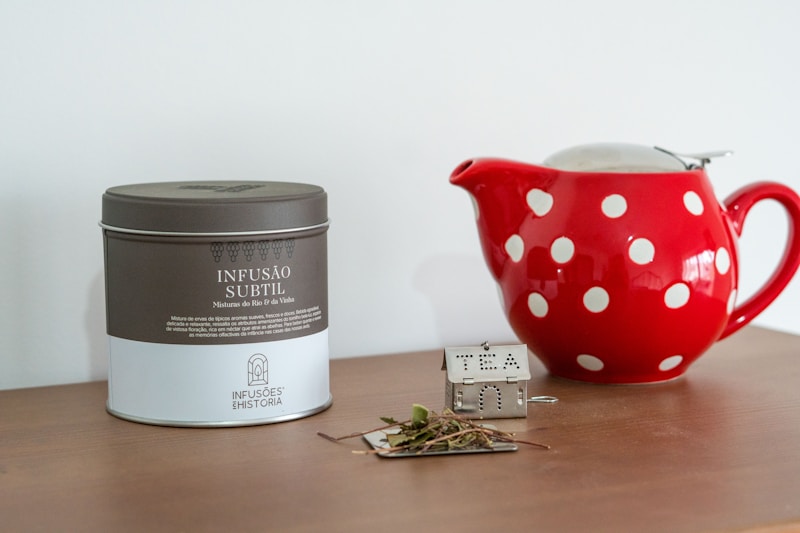
You want opaque and airtight. Everything else is a detail.
Here’s how the common options stack up:
| Container | Verdict | Why |
|---|---|---|
| Metal tea tin | Best | Airtight and blocks all light |
| Ceramic canister | Best | Opaque and stable, if the lid seals tight |
| Mylar or foil pouch | Great | Excellent barrier, just reseal it firmly |
| Amber glass jar | Okay | Fine inside a dark cupboard, not on display |
| Clear glass jar | Avoid | Lets light quietly ruin the leaves |
| Plastic container | Avoid | Holds onto odors and passes them along |
| Paper bag | Avoid | No real protection from air or moisture |
If you already own a decent metal tin or a ceramic canister with a snug lid, you’re set. No need to buy anything fancy.
Can you refrigerate or freeze tea?
Short answer: don’t. This is the myth I hear most, and it usually does more harm than good.
Every time you pull cold tea out, condensation forms inside the container. That’s moisture, enemy number two, showing up uninvited.
There’s one narrow exception. Sealed, unopened Japanese green tea can handle the freezer, as long as you never crack it open until it’s back to room temperature.
For everything you actually drink day to day, a cupboard beats the fridge every time.
How long does tea last?
Tea rarely becomes unsafe to drink. It just gets boring.
Here’s a rough guide for when each type tastes its best:
| Tea type | Tastes best within |
|---|---|
| Green | 6 to 12 months |
| White | 1 to 2 years (some styles age well) |
| Oolong | 1 to 2 years |
| Black | 2 years or more |
| Herbal | 1 to 2 years |
| Pu-erh | Can improve with proper aging |
These aren’t hard expiry dates. Stored well, most tea drinks fine past these windows. It just won’t sing the way it did when it was fresh.
How to store different types of tea
Same five enemies, slightly different priorities.
Green tea
The most fragile of the bunch. Buy it in smaller amounts and drink it within a few months.
Keep air exposure to a minimum and it’ll reward you.
Black tea
The easy one. Airtight in a cool cupboard and it holds up for two years or more.
Honestly, this is the tea you’re allowed to relax about.
Oolong tea
Those floral and roasted notes are delicate. Shield them from air and light — if you are still exploring oolong, our oolong vs black tea guide explains what makes these teas so different and they’ll stick around.
White tea
You get two choices here. Drink it fresh, or age it on purpose in a sealed container, where some styles deepen beautifully over the years.
Pu-erh tea
This one breaks all my rules. If you’re aging pu-erh, it actually wants a little airflow and stable humidity, not a tight seal.
Keep it away from strong smells, but let it breathe. It’s the exception that proves the point.
How to store tea bags
Same rules, lower stakes. Tea bags fade too, especially the nice pyramid ones with whole leaf inside.
Get them out of that flimsy cardboard box and into an airtight tin. Your afternoon cup will taste the difference.
How to organize a tea collection
Once you own more than a few teas, a tiny bit of system saves you.
- Write the open date on each tin
- Keep flavored and plain teas apart so smells don’t travel
- Move your daily tea into a small container and leave the big stash sealed
- Drink the oldest ones first
Nothing complicated. Just enough to stop good tea from dying in the back of a drawer.
How to tell your tea has gone stale
Trust your nose first. A fresh tin should smell alive the second you open it.
Watch for these signs:
- Barely any aroma
- Flat, dull flavor in the cup
- Faded, greyish leaf color
- The sweetness and complexity are gone
One hard rule: if you see or smell mold, toss it. There’s no saving that one.
Quick answers
What’s the best way to store loose-leaf tea? Airtight, opaque container, cool dark cupboard, away from odors. That covers about 95% of it.
Should I keep tea in the refrigerator? No. Condensation sneaks moisture in every time you open the door.
Do tea bags need an airtight container? Yes, if you want them fresh. The box they came in barely protects anything.
Can I keep tea in its original packaging? Only if it’s a resealable foil pouch. Paper or a torn-open box, move it somewhere better.
How do I store matcha? Airtight, dark, and used quickly. Buy small tins, keep them sealed, and finish an opened one within a few weeks — green tea vs matcha covers why matcha fades so much faster than other greens, because matcha fades fast.
Why does my tea lose flavor so quickly? Almost always air or light. Check your container, then check where it’s sitting. If the tea itself tastes flat no matter how fresh it is, why does my tea taste bitter might have your answer.
The takeaway
Good tea storage isn’t about gear or a list of rules to memorize. It’s five enemies and one cupboard.
Keep your leaves cool, dark, dry, sealed, and away from smells, and the tea you paid for will taste like the tea you paid for.
Now go move that jar off the windowsill. Your future self, mid-afternoon, cup in hand, will thank you.
