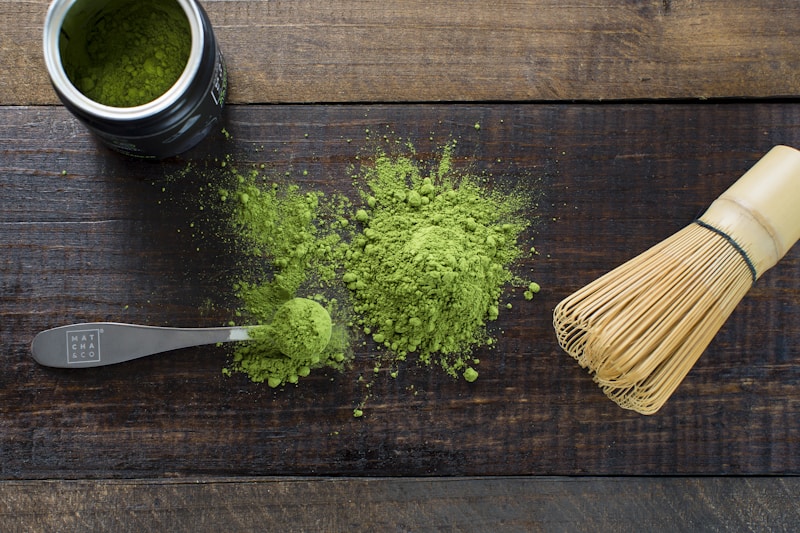
You’re standing in the tea aisle, phone in hand, wondering if that bright green tin of matcha is just fancy green tea with a bigger price tag. Short answer: kind of, but not the way you think.
Here’s the part nobody tells you up front. Matcha is green tea. It’s green tea that went to finishing school.
That one fact clears up about half the confusion people have. So before we get into caffeine, antioxidants, or which one helps you break up with coffee, let’s lock that in.
By the end of this, you’ll know which one belongs in your morning and which one you can happily skip. No jargon, no tea-snob gatekeeping. Promise.
Green tea vs matcha at a glance
Want the whole thing in ten seconds? Here you go.
| Feature | Green tea | Matcha |
|---|---|---|
| Plant | Camellia sinensis | Camellia sinensis |
| Form | Loose leaves or bags | Fine powder |
| How you make it | Steeped | Whisked |
| Caffeine | Moderate | Higher |
| Flavor | Light, grassy | Rich, umami |
| Best for | Everyday drinking | Focus and rituals |
| Difficulty | Easy | A little practice |
| Price | Lower | Higher |
Now the part that actually makes it click.
Wait, isn’t matcha just green tea?
Yes and no. And honestly, this is the fact that untangled everything for me.
Matcha is a type of green tea. But not all green tea is matcha.
Think of it like this. Matcha is to green tea what Champagne is to sparkling wine.
All Champagne is sparkling wine. Not all sparkling wine gets to call itself Champagne.
Same plant, Camellia sinensis, if you want the Latin. Different upbringing, different processing, different way you drink it.
That last bit is the big one. With regular green tea, you steep the leaves and toss them out. With matcha, you grind the whole leaf into powder and drink all of it.
So you’re literally taking in more of the plant. Hold that thought, because it explains a lot later.
So what is green tea, exactly?
Green tea comes from the leaves of Camellia sinensis, the same plant behind black tea, oolong, and white tea.
The difference is what happens right after picking. Green tea leaves get heated fast to stop oxidation, which keeps them green and fresh-tasting.
In China, that heating usually means pan-firing. In Japan, it’s steaming. Tiny step, real flavor difference.
And “green tea” isn’t one single thing. It’s a whole family: Longjing (Dragon Well) and Biluochun from China, Sencha and Gyokuro from Japan, plus plenty more. Want to pick a good one? How to choose green tea covers what to look for before you buy.
You steep it, you sip it, you get on with your day. That’s the whole appeal.
And what is matcha?
Matcha starts out as a shade-grown Japanese green tea.
For about three to four weeks before harvest, the plants get covered and kept out of direct sun. That shade does something clever: it pushes the leaves to build up more chlorophyll and more L-theanine.
Chlorophyll is why matcha is that almost neon green. L-theanine is why it tastes sweet and savory instead of sharp.
After harvest, the leaves are steamed, dried, and stripped of their stems and veins. What’s left is called tencha.
Then the tencha gets stone-ground into an ultra-fine powder, slowly, because grinding too fast scorches it.
That’s your matcha. You whisk it straight into hot water and drink the leaf itself, with nothing left in the cup.
The differences that actually matter
Okay, you get that they’re related. Here’s where they split.
How they’re grown
Regular green tea grows out in the sun. Matcha spends its final weeks in the shade.
That single change is where matcha’s color, its sweetness, and most of its price all come from.
How you make it
This is the difference you’ll feel every single day. Green tea: drop the leaves in hot water, wait a couple minutes, remove them. Matcha: sift the powder, add a splash of hot water, whisk in a zigzag until it’s frothy.
Green tea is forgiving. Matcha has a small learning curve.
Nothing scary, but you’ll make a lumpy cup or two at first. I definitely did.
How they taste
Green tea is light and fresh. Depending on the type, you’ll get grassy, floral, sometimes a little nutty.
Matcha is thicker and creamier. There’s a savory, almost brothy quality people call umami, plus a gentle sweetness if the quality is good.
Caffeine
Here’s where “you drink the whole leaf” pays off. Because matcha is the powdered leaf, gram for gram it gives you more caffeine than steeped green tea.
A cup of green tea sits on the lighter side, easy enough for most afternoons. Matcha hits harder and lasts longer, closer to coffee territory.
But it’s a different kind of buzz. That L-theanine smooths the caffeine out, so you feel alert without the jittery spike. More on that in a second.
Antioxidants
Both are packed with catechins, the antioxidants green tea is famous for (EGCG is the star of the show).
Since you take in the entire leaf with matcha, you generally get more of those compounds per serving. That doesn’t automatically crown matcha the “healthier” one, though. A daily cup of green tea you actually enjoy beats a fancy matcha you never bother to make.
So which one is actually better for you?
Depends what you want out of it. Let me break it down by goal.
If you want calm, focused energy
Matcha, hands down. The caffeine-and-L-theanine combo is exactly why people sip it before deep work.
You get steady focus that doesn’t spike and crash. It’s the whole reason matcha has a cult following with the work-from-home crowd.
If you want an easy everyday drink
Green tea. It’s cheap, quick, and low-effort.
Lower caffeine means you can have a few cups without feeling wired by 3pm.
If you’re trying to quit coffee
Matcha is your bridge. It’s concentrated enough to replace that morning hit, but the energy is smoother and the crash mostly disappears. For another angle on swapping coffee, here’s what happened when someone made the switch.
I swapped my morning coffee for matcha for a month and genuinely stopped missing the 11am slump. If you’re already comparing matcha to other energy options, matcha vs yerba mate breaks down how they differ.
If you’re brand new to tea
Start with green tea. Less gear, less money, way less pressure.
Get comfortable steeping a good cup first. Matcha will still be there when you’re ready to level up.
Which one tastes better?
Neither. Sorry, but it’s true.
Green tea is crisp and refreshing, the kind of thing you want on a warm afternoon. Matcha is rich and creamy, more of a slow-morning drink.
Ask ten tea people and you’ll get ten answers. This one is entirely your palate, not a fact you can look up.
Best move? Try both and trust your own mouth.
Which one should you choose?
Skip the health charts for a second. The real question is which one fits your actual routine.
Here’s the cheat sheet I wish someone had handed me on day one:
| What you’re after | Go with |
|---|---|
| A quick, easy morning cup | Green tea |
| Calm focus for deep work | Matcha |
| A coffee replacement | Matcha |
| Your first-ever loose-leaf tea | Green tea |
| A refreshing summer drink | Green tea |
| Making lattes at home | Matcha |
| The lowest daily cost | Green tea |
| A slow, mindful ritual | Matcha |
Can you just drink both?
Obviously. Most tea people do, and the two aren’t fighting over the same slot in your day.
Reach for matcha in the morning when you want focus and a real lift. Switch to green tea in the afternoon when you just want something light and hydrating.
That’s my default rhythm, and honestly it’s the best of both.
The honest bottom line
If you want a simple, refreshing, budget-friendly daily drink, go green tea. Steep it, sip it, done.
If you want richer flavor, a stronger caffeine kick, and a small morning ritual that makes you slow down, go matcha.
And remember where we started. Matcha is just green tea that got the deluxe treatment, so you’re not really picking between rivals.
You’re picking which version fits the day in front of you. Most weeks, the answer is both.
Quick answers to the questions everyone asks
Is matcha the same as green tea? Sort of. Matcha is a type of green tea, but not all green tea is matcha.
Does matcha have more caffeine than green tea? Yes, because you drink the whole powdered leaf instead of steeping it and throwing it away.
Is matcha healthier than green tea? It has more antioxidants per serving, but the healthiest tea is the one you’ll actually drink every day.
Why is matcha so much more expensive? Shade-growing, careful processing, and slow stone-grinding all add cost. Good matcha takes real work to make.
Can I drink matcha every day? For most people, one or two servings a day is fine. Keep an eye on your total caffeine if you’re sensitive.
Can you make a latte with green tea? Matcha is the one built for lattes because it’s a powder that blends into milk. Steeped green tea just turns watery.
Still figuring out your first tea? That’s kind of the whole point of this site. If you want the beginner brewing guides and honest teaware picks sent straight to you, join the YourChoiceSip newsletter and start where I did, one good cup at a time.
