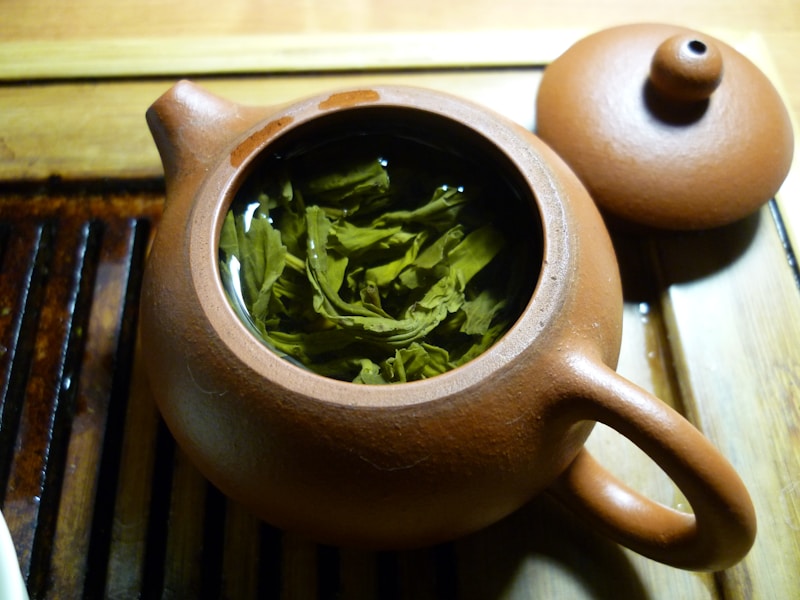
You bought the good loose leaf green tea. You brewed it, took a sip, and… ugh — bitter, grassy, harsh.
So you decided green tea just isn’t for you. I need you to hear this: it’s almost never you, and it’s almost never the tea.
I made this exact mistake for months. I dumped boiling water straight onto delicate leaves and wondered why every cup tasted like a punishment.
The fix is almost embarrassingly simple. By the end of this, you’ll be brewing a smooth, slightly sweet cup — no chemistry lab required.
The Quick Answer
Short on time? Here’s the cheat sheet you can screenshot and use right now.
| What | Go with |
|---|---|
| Tea | 2–3 grams |
| Water | 200–240 ml |
| Temperature | 70–80°C (160–180°F) |
| First steep | 1–2 minutes |
| Re-steeps | 2–4 more cups |
| Best gear | Basket infuser or gaiwan |
Get these five things roughly right and you’ve already beaten most of the bitterness. Everything below is just me explaining the “why.”
What You Actually Need
Good news: you don’t need a shelf full of gear. You need way less than the internet wants you to believe. Our tea tools guide separates what you actually need from what you don’t.
Here’s the honest starter list:
- Loose leaf green tea
- Fresh, filtered water
- A mug
- A basket infuser (this one matters)
- A kettle
- A small teapot or gaiwan (totally optional)
One quick tip. Skip the little ball-shaped infusers.
They cram the leaves into a tiny cage so they can’t open up. Green tea needs room to unfurl, and a basket infuser gives it exactly that.
Step 1: Measure Your Leaves
Aim for about 2–3 grams of tea per cup. That’s roughly 1–2 teaspoons, depending on how big and fluffy the leaves are.
If you can, use a small kitchen scale. Teaspoons are fine to start, but leaf sizes vary wildly, so grams keep you consistent from cup to cup.
Step 2: Cool Your Water Down
This is the big one. This is the mistake I made every single time.
Green tea does not want boiling water. Pour 100°C water on it and you basically scorch the leaves.
Aim for 70–80°C (160–180°F). At that temperature the tea turns sweet and mellow instead of sharp.
No fancy kettle? No problem. Just boil your water, then let it sit for 2–3 minutes before you pour.
Step 3: Steep It — But Don’t Walk Away
For your first cup, steep for 1–2 minutes. Then taste it.
Here’s the counterintuitive part: longer isn’t stronger, it’s just more bitter. Leave green tea sitting too long and it dumps out all its harsh, astringent notes.
Set a timer on your phone. Two minutes goes by faster than you think when you’re scrolling.
Step 4: Brew It Again. And Again.
This is where loose leaf gets fun — and cheap. Good green tea isn’t a one-and-done teabag.
You can usually get 2–4 cups out of the same leaves. Some premium teas keep going even longer.
| Infusion | Steep time |
|---|---|
| First | 60–90 sec |
| Second | 20–30 sec |
| Third | 30–45 sec |
| Fourth | 60 sec |
Each brew tastes a little different. That’s not a bug — it’s the whole point.
Why Does My Green Tea Taste Bitter?
Let’s troubleshoot the exact thing that sent you here. Bitterness almost always comes down to one of five culprits.
Your water was too hot. This is number one by a mile. Cool it down and half your problem disappears.
You steeped it too long. Even 30 extra seconds can tip a green tea into bitter territory. Taste early.
You used too many leaves. Past a point, more tea isn’t more flavor — it’s just more harshness. Ease back a pinch.
The tea itself is low quality. Cheap, dusty green tea is often bitter no matter what you do. Sometimes it really is the leaves. If you keep buying bad green tea, our guide to choosing green tea teaches you what to look for before you pay.
Your leaves couldn’t expand. Back to that cramped ball infuser. Give the leaves space and they’ll thank you.
Do You Need a Gaiwan?
Short answer: no. You can make excellent green tea without ever touching one.
But here’s how the options stack up so you can pick what fits you.
A basket infuser is the easiest place to start — cheap, forgiving, and it lets the leaves breathe.
A teapot is lovely for everyday brewing when you want to pour a couple of cups at once.
A gaiwan is the classic Chinese lidded bowl. It’s beautiful and it’s how a lot of tea people brew, though it has a small learning curve. Not sure if a gaiwan is worth trying? Here’s why you should try it at least once.
There’s also the glass method, which is wildly popular in China. You just drop the leaves in a tall glass, top it with cooled water, and sip — leaves and all.
Can You Cold Brew Green Tea?
Yes, and it might become your summer obsession. Cold brewing is basically foolproof.
Drop your leaves into a jar of cold water and leave it in the fridge overnight. In the morning you’ll have a smooth, naturally sweet cup with barely any bitterness.
It’s the most forgiving method there is. Hard to mess up, easy to love.
Your Quick Troubleshooting Guide
Bookmark this one. Next time a cup tastes “off,” you’ll know exactly what to adjust.
| If your tea… | Try this |
|---|---|
| Tastes bitter | Cool the water down |
| Tastes weak | Add a few more leaves |
| Has little aroma | Nudge the temperature up slightly |
| Feels dry/astringent | Shorten the steep time |
| Is too strong | Use a bit less tea |
Notice the pattern? You’re only ever changing one small thing at a time — temperature, time, or amount.
The Only Rule That Really Matters
Here’s what I wish someone had told me on day one. There are no tea police.
These numbers are starting points, not commandments. Taste as you go, tweak one thing, and trust your own mouth.
Cooler water, shorter steeps, room for the leaves to open — nail those three and you’re basically there. Your first genuinely great cup is one small adjustment away.
Now go put the kettle on.
Quick Questions, Quick Answers
What temperature is best for green tea? 70–80°C (160–180°F). If your water’s still boiling, you’ve gone too hot.
How long should I steep it? Start at 1–2 minutes for the first cup, then go shorter on each re-steep.
Can I use boiling water? Better not to. It scorches the leaves and drags out bitterness.
How much tea per cup? About 2–3 grams, or 1–2 teaspoons of loose leaf.
Can I really re-steep the leaves? Absolutely — 2 to 4 times is normal. Just keep each later brew shorter.
Do I need a special teapot or gaiwan? Nope. A simple basket infuser in a mug makes a great cup.
