You want to get into Japanese green tea. But you keep hitting the same wall: matcha or sencha?
Every guide you open turns into a lecture about cultivars and water minerals. You just want to know which one to actually buy.
So let me make this easy for you. By the end, you’ll know which one belongs in your cupboard first.
Not because one wins. Because one fits your day better than the other.
I’ve brewed both badly. I’ve brewed both well. Here’s what I wish someone had told me on day one.
Matcha vs Sencha at a Glance
Here’s the short version if you’re in a hurry.
| Feature | Matcha | Sencha |
|---|---|---|
| Form | Powder | Loose leaves |
| Growing method | Shade-grown | Sun-grown |
| Preparation | Whisked | Steeped |
| Caffeine | Higher per serving | Moderate |
| Flavor | Umami, creamy | Fresh, grassy |
| Best time | Morning, focus | Everyday drinking |
| Difficulty | Moderate | Easy |
Skim that and go. Or stick around and I’ll show you why these two feel so different in the cup.
First, What Is Matcha?
Matcha is green tea ground into a fine powder. You don’t steep it and toss the leaves. You whisk the whole thing into water and drink all of it.
That’s the big idea right there. You’re taking in the entire leaf, not just an infusion of it.
The plants spend a few weeks in the shade before harvest. Starving the leaves of sunlight pushes up their chlorophyll and amino acids.
That’s where the color and flavor come from. Bright green, a little sweet, and savory in a way that’s hard to explain until you taste it.
Those shaded leaves get steamed and dried into something called tencha. Then stone mills grind them slowly into the powder you buy.
And What Is Sencha?
Sencha is the everyday green tea most people in Japan actually drink. It’s loose leaf, not powder.
These plants grow in full sun with no shading involved. After harvest, the leaves get steamed, rolled into thin needle shapes, and dried.
You brew them in a pot or a gaiwan, then pour off the liquid and leave the leaves behind. Simple stuff.
If matcha is the special-occasion tea, sencha is the one you reach for on a Tuesday morning. It makes up most of the tea grown in Japan, and there’s a good reason for that.
The Real Differences (Beyond the Powder)
You already know one’s a powder and one’s loose leaf. But the gap between them runs deeper than that.
How They’re Grown
Matcha grows in the shade. Sencha grows in the sun.
That one choice explains almost everything else. Shade makes matcha sweeter and rounder. Sun makes sencha brighter, fresher, and a touch grassy.
How They’re Made
Both start with steaming, which is a very Japanese step. It locks in that green, vegetal flavor before it can fade.
After that, they split. Matcha gets dried flat and stone-ground into powder. Sencha gets rolled into needles and left whole.
How You Brew Them
This is where beginners feel the difference most.
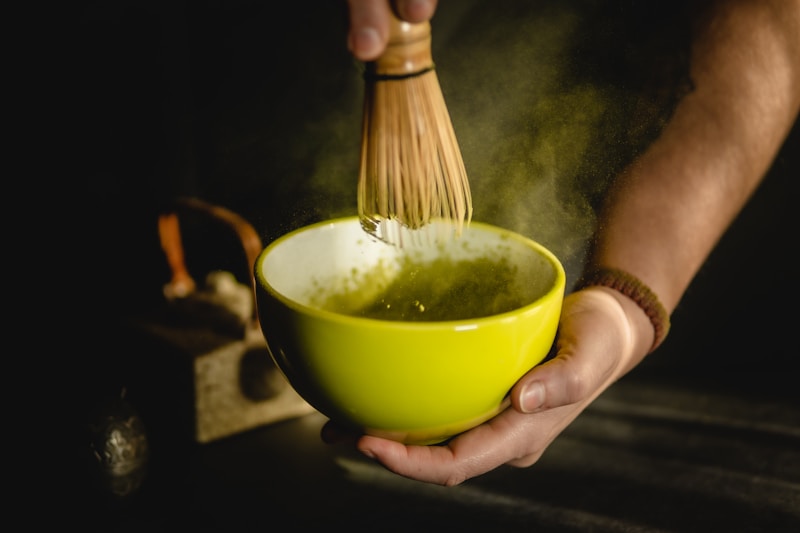
Matcha wants a bamboo whisk and a wide bowl. You sift the powder, add hot water, and whisk until it turns frothy.
Sencha just wants a teapot or gaiwan and a strainer. Add leaves, add water, wait, pour.
One is a small ritual. The other is barely harder than making a regular cup of tea.
How They Taste
Matcha is thick and creamy. It leans sweet and savory, with that deep umami note people rave about.
Sencha is lighter and crisper. Think fresh-cut grass, a little sweetness, and a clean finish.
Neither one is “better.” They’re two different moods, and plenty of people love both.
How Much Caffeine
Matcha usually hits harder. Since you’re drinking the whole powdered leaf, more caffeine ends up in your cup. If you’re comparing matcha to other energy drinks too, our matcha vs yerba mate guide covers how they stack up.
Sencha sits in the moderate range. And you can dial it down with cooler water and shorter steeps. For more on brewing green tea without bitterness, our loose leaf green tea brewing guide walks through the details.
So if caffeine sensitivity is on your mind, sencha gives you more control.
Okay, But Which One Is Healthier?
Fair question. Let me keep this grounded and skip the miracle-cure talk.
Antioxidants
Because you swallow the whole leaf, matcha delivers more catechins and antioxidants per serving. That’s just how the math works out.
Sencha still has plenty. You’re simply drinking the infused version instead of the whole leaf.
Calm Focus
Matcha pairs caffeine with an amino acid called L-theanine. Many people describe the result as calm alertness rather than a jittery buzz.
It’s a big part of why matcha gets recommended as a gentler stand-in for coffee.
Everyday Drinking
Here’s where sencha quietly wins. It’s lighter, cheaper, and dead simple to brew.
That makes it the natural pick for the cup you drink every single day.
Which One Is Easier for a Beginner?
Let me be honest with you.
Sencha is the friendlier starting point. You probably own most of the gear already, and any mistakes are cheap.
Matcha comes with a small learning curve. You’ll need a whisk, it costs more, and low-grade powder can taste bitter. If your green tea keeps tasting bitter no matter what, why does my tea taste bitter covers the most common fixes.
My suggestion? Start with sencha to build confidence. Add matcha once you’re ready for the ritual.
So Which Should You Choose?
Let’s make the call together. Find yourself in this list.
Want to replace your morning coffee? Go matcha.
Want a refreshing tea for all day? Go sencha.
Love making lattes at home? Matcha.
Prefer to keep brewing simple? Sencha.
Chasing that deep umami flavor? Matcha.
Want something light and crisp? Sencha.
Do You Have to Pick Just One?
Short answer: no.
Plenty of tea drinkers keep both and use them at different times of day.
Matcha in the morning, when you want focus and a bit of ceremony. Sencha in the afternoon, when you just want something easy and refreshing.
Try thinking of them as teammates instead of rivals.
Match the Tea to Your Life
If you remember one thing from all this, make it this: pick the tea that fits how you actually live.
| Your goal | Best choice |
|---|---|
| Morning focus | Matcha |
| Afternoon refreshment | Sencha |
| Coffee replacement | Matcha |
| First Japanese tea | Sencha |
| Matcha latte | Matcha |
| Everyday office tea | Sencha |
| Tea ceremony experience | Matcha |
| Easy loose-leaf brewing | Sencha |
Most “which is better” articles argue about health stats. The better question is which one you’ll actually enjoy drinking tomorrow.
The Bottom Line
Choose matcha if you want bold flavor, a real caffeine lift, and a focused little morning ritual.
Choose sencha if you want an easy, refreshing cup you can drink all day without overthinking it.
And if you’re still torn, start with sencha. It’s forgiving, affordable, and a lovely doorway into Japanese tea.
You can always graduate to matcha once you’ve caught the bug. Most of us do.
Quick Questions People Always Ask
Is matcha healthier than sencha? Per serving, matcha gives you more antioxidants because you drink the whole leaf. But sencha is a genuinely healthy daily tea too, so you’re not losing much.
Which has more caffeine? Matcha, usually. You’re taking in the full leaf, so more caffeine ends up in your cup.
Why is matcha more expensive? It’s shade-grown, carefully processed, and stone-ground slowly. All that extra labor shows up in the price.
Can I drink matcha every day? Yes, as long as the caffeine agrees with you. Some people keep it to mornings and switch to lighter teas later on.
Is sencha good for beginners? It’s the best place to start. Simple brewing, low cost, and hard to mess up badly.
Does sencha taste bitter? Only when you brew it too hot. Use cooler water, around 70–80°C (160–175°F), and it stays smooth and sweet.
Is matcha just powdered sencha? No. Matcha comes from shade-grown leaves that are turned into tencha first. Grinding up sencha won’t give you the same thing.
Switching from coffee, should I pick matcha or sencha? Matcha. The caffeine plus L-theanine gives you a steadier lift without the afternoon crash.
Want more plain-English tea guides like this one, minus the gatekeeping? Join the newsletter and I’ll send the good stuff straight to your inbox.
