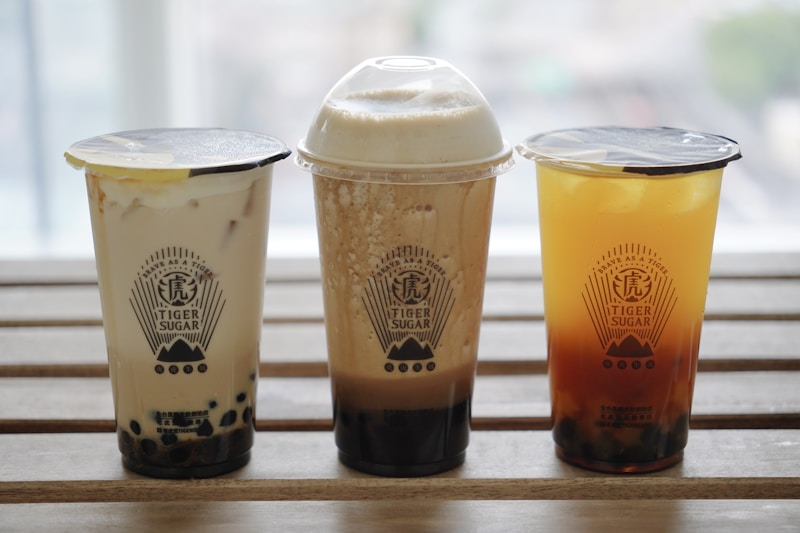
You poured milk into a cup of tea once, took a sip, and thought “wait, why does this taste like sad, cloudy water?” Or maybe you’re trying to make milk tea at home that actually tastes like the drink you keep paying five bucks for.
Either way, you’re in the right place. I’ve splashed milk into a lot of teas that had no business being anywhere near dairy, so let me save you the wasted leaves.
Here’s the thing nobody tells beginners: milk isn’t the problem. Choosing the wrong tea for milk is the problem.
Some teas were basically born to be creamy. Others get completely bulldozed the second milk touches them. Once you know which is which, homemade milk tea stops being a gamble.
Let’s get into it.
What Makes a Tea Good with Milk?
The short version: bold teas win, delicate teas lose.
Milk is a bully. It’s rich, it’s fatty, and it coats everything on your tongue. A tea has to have enough backbone to punch through that.
Strong black teas do this easily. Their malty, brisk flavor stays loud even after you drown it in cream.
Milk also does something nice in return. It softens the tannins that make strong tea taste harsh or dry, so a brew that felt too aggressive on its own turns smooth and cozy.
But delicate teas? Milk flattens them. All those subtle floral, grassy, and honeyed notes you paid extra for just vanish under the dairy.
So keep this rule in your back pocket: if a tea is prized for being subtle, milk will erase the exact thing that makes it special. Save your fancy stuff for water only.
Now, the teas that actually deserve a splash.
1. Assam Black Tea
If you only remember one tea from this list, make it Assam. This is the classic.
It’s bold, malty, and has a rich full body that milk can’t push around. This is the backbone of traditional British milk tea and most bubble tea.
Best milk: whole milk or oat milk. Perfect for: your morning cup, homemade milk tea, or a bubble tea base.
Start here and you basically can’t go wrong.
2. English Breakfast Tea
English Breakfast is Assam’s reliable cousin. It’s usually a blend of Assam, Ceylon, and Kenyan black teas.
That blend is built to be brisk and strong, which is exactly why milk works so well with it. The milk mellows the sharp edges and gives you that smooth, comforting morning cup.
If Assam feels like a commitment, this is the easy everyday option. Most tea bags in your cupboard are already this style.
3. Masala Chai
Chai isn’t just okay with milk. It’s designed for it.
This is one of the only teas traditionally simmered right in the milk, not brewed separately and topped up after. The spices basically demand a creamy base.
You’re looking at cardamom, cinnamon, ginger, cloves, and black pepper. Warm, spicy, and completely transformed by dairy.
Best milk: whole milk or barista oat milk, since both handle the simmering without splitting.
Make it once from scratch and you’ll never look at a chai tea bag the same way.
4. Ceylon Black Tea
Ceylon is the bright one. It’s got a lively, almost citrusy character that stays noticeable even with milk added.
That’s the trick here. A lot of teas disappear under dairy, but Ceylon keeps its personality.
It’s often blended with Assam for classic milk tea recipes, giving you strength and brightness in the same cup. Great if you find pure Assam a little too heavy.
5. Matcha
Matcha plays by different rules, and that’s exactly why it’s on this list.
It’s not a leaf you steep. It’s a powder you whisk directly into your milk, which means it blends in completely with zero risk of it getting overwhelmed. Curious about how matcha stacks up against other energy drinks? Our matcha vs yerba mate comparison breaks it down.
That’s how you get those café matcha lattes, hot or iced. The green flavor holds up beautifully against a creamy base.
Best milk: oat milk or whole milk. Oat is my personal go-to here because it keeps things smooth without fighting the matcha.
6. Hojicha
Hojicha is my secret weapon for people who think they don’t like green tea.
It’s a Japanese green tea that’s been roasted, so instead of grassy and sharp it turns toasty, nutty, and naturally sweet. Almost no bitterness.
That roasted sweetness is a dream with milk. It makes a latte that tastes almost like it’s already been lightly sweetened, even when it hasn’t.
If you love a cozy, low-caffeine drink in the evening, try this one next.
7. Rooibos
Want milk tea with zero caffeine? Rooibos is your answer.
This South African herbal “tea” is naturally sweet, with notes of vanilla, honey, and a nutty finish. It’s one of the very few herbal infusions that actually loves dairy.
Pairs well with: dairy milk, oat milk, or almond milk. It’s flexible.
Tea drinkers online consistently point to rooibos as the caffeine-free milk tea that doesn’t taste like a compromise. Perfect for a wind-down cup before bed.
8. Roasted Oolong
Oolong is where people get tripped up, so read this part carefully.
Only roasted or heavily oxidized oolongs work with milk. The toasty, dark, almost caramel notes hold their own beautifully. If you’re new to oolong and regional tea styles, what makes regional teas special explains the geography behind the flavor.
Think Da Hong Pao, Wuyi rock tea, or a dark-roasted Tie Guan Yin. Those are your milk-friendly picks.
But light, green, floral oolongs? Leave the milk out. You’ll just smother the delicate aroma you paid for.
Teas You Should Never Add Milk To
Okay, this is the part most articles skip. And it’s the part that saves you money.
Please, I’m begging you, keep milk far away from these:
- Sencha – its fresh, grassy character gets completely buried.
- Dragon Well (Longjing) – the lovely nutty sweetness turns muddy and dull.
- White Tea – so subtle that milk basically erases it entirely. If you’re curious about what white tea actually tastes like on its own, our chamomile vs white tea guide covers that.
- Silver Needle – same story, it’s all delicate florals that milk crushes.
- Jasmine Tea – that gorgeous floral aroma is the whole point, and milk masks it instantly.
The pattern is simple. If a tea is famous for being light, fragrant, or delicate, milk destroys the exact thing you love about it.
Drink these clean, with just hot water. Trust me on this one.
Quick Reference: Milk or No Milk?
Here’s the whole thing at a glance so you can screenshot it before your next tea order.
| Tea | Milk? | Why |
|---|---|---|
| Assam | ✅ Excellent | Strong malty flavor stands up to milk |
| English Breakfast | ✅ Excellent | Balanced blend designed for milk |
| Masala Chai | ✅ Essential | Traditionally brewed with milk |
| Ceylon | ✅ Very Good | Bright flavor stays noticeable |
| Matcha | ✅ Excellent | Powder mixes directly into milk |
| Hojicha | ✅ Excellent | Roasted sweetness complements milk |
| Rooibos | ✅ Great | Naturally sweet and caffeine-free |
| Roasted Oolong | ✅ Good | Toasty notes pair well with milk |
| Sencha | ❌ Skip it | Milk overwhelms delicate grassy notes |
| Longjing | ❌ Skip it | Nutty sweetness gets muted |
| White Tea | ❌ Skip it | Subtle flavor is easily lost |
| Jasmine | ❌ Usually avoid | Floral aroma is masked by milk |
What’s the Best Milk for Tea?
Short answer: it depends on the tea. Here’s my cheat sheet.
| Milk | Best With |
|---|---|
| Whole milk | Black tea, chai |
| Oat milk | Matcha, hojicha, chai |
| Soy milk | Strong black teas |
| Almond milk | Rooibos |
| Coconut milk | Chai |
One tip that’ll save you a curdled cup: reach for barista-style oat milk. It froths better and is way less likely to split in hot tea than the regular stuff.
Tips for Making Better Milk Tea
Small tweaks, big difference. These are the things I wish someone told me on day one.
Brew your tea stronger than you normally would. The milk waters it down, so a “normal” strength cup ends up tasting weak.
Add warm milk, not cold. Cold milk drops the temperature and dulls the flavor immediately.
Start with roughly a 4:1 tea-to-milk ratio, then adjust. It’s easier to add more milk than to fix a cup you’ve already drowned.
And sweeten after you taste, never before. You might not even need it.
Final Thoughts
Milk tea isn’t complicated once you stop guessing. It all comes down to picking a tea bold enough to keep its flavor after the milk goes in.
So here’s your quick starting line, based on what you’re after:
- Classic milk tea → Assam
- Warm and spicy → Masala Chai
- Latte lover → Matcha or Hojicha
- Caffeine-free → Rooibos
- Everyday morning cup → English Breakfast
Pick one, brew it a little strong, add a splash of warm milk, and taste as you go. That’s genuinely the whole game.
The delicate greens and whites can sit this round out. Save them for the days you want to sip something clean and quiet.
Now go make yourself a cup that doesn’t taste like sad cloudy water. You’ve earned it.
FAQs
What tea tastes best with milk? Assam is the top pick. It’s bold and malty enough to stay flavorful even with plenty of milk, which is why it’s the classic base for milk tea worldwide.
Can you add milk to green tea? Usually not a good idea. Most green teas like sencha and Longjing are too delicate, and milk buries their flavor. The exception is roasted hojicha, which is lovely with milk.
Which black tea is best for milk tea? Assam for strength, Ceylon for brightness, or English Breakfast for an easy everyday cup. Many recipes blend Assam and Ceylon for the best of both.
Is oat milk better than dairy for tea? It’s a personal call, but barista oat milk is a fantastic all-rounder. It froths well, resists curdling, and pairs beautifully with matcha, chai, and hojicha.
Should you add milk before or after brewing? After, in most cases, so you can control the strength. Masala chai is the classic exception, since it’s traditionally simmered right in the milk.
Which herbal teas go well with milk? Rooibos is the standout. It’s naturally sweet, caffeine-free, and one of the few herbal infusions that genuinely tastes great with a splash of milk.
