Standing in front of rows of beautiful teapots, you’re faced with an important question: which material will actually make your tea taste better? The answer isn’t just about aesthetics — your choice between ceramic, glass, or cast iron will dramatically impact every cup you brew.
Each material brings distinct advantages and limitations that can enhance or hinder your tea experience. Understanding these differences means the difference between years of satisfying tea sessions and constant frustration with lukewarm, poorly extracted brews.
By the end of this guide, you’ll know exactly which teapot material matches your brewing style, budget, and tea preferences. No more second-guessing—just confident choices that elevate your daily tea ritual.
The Big Three: Understanding Your Options
Ceramic and porcelain teapots represent the classic choice, offering versatility and reliability that has made them the go-to option for centuries. They balance heat retention, durability, and affordability better than most alternatives.
Glass teapots provide unmatched visual appeal and complete control over the brewing process. Modern borosilicate glass has largely solved early safety concerns, though thermal limitations remain.
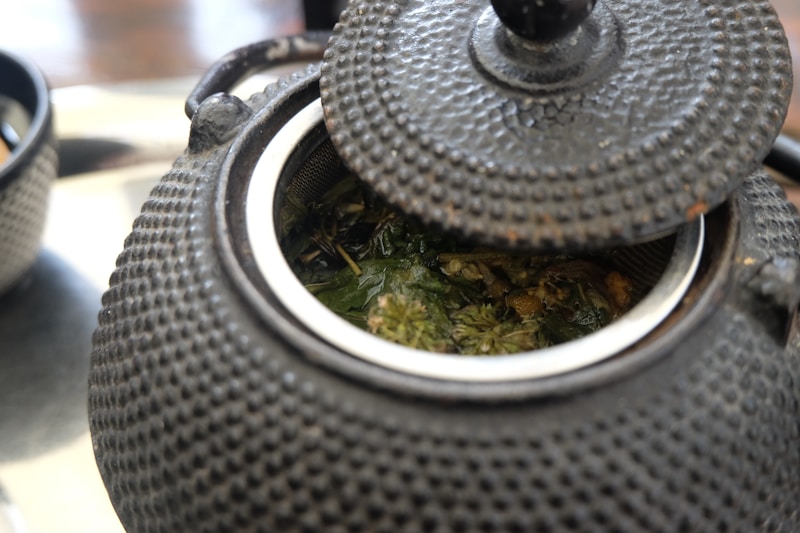
Cast iron teapots deliver superior heat retention and traditional craftsmanship. They’re the heavy-duty option for serious tea lovers who prioritize performance over convenience. Want a broader overview of every teapot type? Our complete guide to types of teapots covers clay, porcelain, gaiwans, and more.
Each material serves different needs, and understanding these distinctions will guide you toward the perfect choice for your tea journey.
Ceramic and Porcelain: The Versatile Champion
The Compelling Advantages
Heat retention in ceramic teapots consistently outperforms glass while remaining more manageable than cast iron. Your tea stays at the optimal temperature longer, giving you time to savor each cup without rushing.
The thermal stability means you can pour boiling water without worrying about thermal shock. Unlike glass, which requires careful temperature management, ceramic handles extreme heat changes gracefully.
Flavor neutrality makes ceramic perfect for tea lovers who enjoy variety. The glazed interior won’t absorb or impart flavors, so you can brew Earl Grey today and delicate white tea tomorrow without contamination.
This versatility extends to tea strength preferences too. Whether you prefer light, delicate steeps or robust, full-bodied brews, ceramic responds consistently without adding unwanted characteristics.
Practical benefits include easy maintenance and wide availability. Most ceramic teapots are dishwasher safe, and replacement parts are often available if you break a lid or handle.
The weight feels substantial without being cumbersome. You’ll appreciate this balance during longer tea sessions or when serving multiple guests.
The Notable Drawbacks
Fragility remains ceramic’s biggest weakness. A dropped ceramic teapot usually means shopping for a replacement, and temperature extremes can cause cracking even in quality pieces.
Transportation requires extra care, making ceramic less ideal for office use or travel brewing. You’ll want to invest in protective storage if portability matters.
Quality varies dramatically across price ranges. Cheap ceramic teapots may use glazes containing lead or other heavy metals, particularly in imported pieces without proper certifications.
Lower-end options also tend to have poor heat distribution and retention. The thin walls that keep costs down also mean your tea cools quickly and unevenly. Looking for trusted brands? Our guide to top Chinese teapot brands reveals which names tea enthusiasts rely on.
Glass Teapots: Beauty with Practical Challenges
The Visual and Safety Benefits
Nothing beats watching your tea brew through crystal-clear glass. You’ll see exactly when your green tea reaches the perfect pale gold or when your blooming tea flowers fully open.
This visual control helps you avoid over-steeping, especially crucial for delicate teas that turn bitter quickly. You can stop the brewing process at exactly the right moment.
Modern borosilicate glass offers impressive safety credentials. It’s completely non-reactive, releases no toxins, and handles reasonable temperature changes without breaking.
The non-porous surface prevents bacterial growth and makes thorough cleaning easy. You’ll never wonder if your teapot is truly clean—you can see every surface clearly.
Contemporary aesthetics complement modern kitchens beautifully. Glass teapots look elegant on countertops and dining tables, especially when filled with colorful herbal or floral teas. Curious about glass specifically? Our full guide to glass teapots covers everything you need to know.
The Performance Limitations
Heat retention in glass teapots falls significantly behind ceramic and cast iron options. Your tea will cool noticeably faster, which can be frustrating during leisurely brewing sessions.
Many tea experts consider glass “terrible for tea” specifically because of these thermal properties. The material simply doesn’t hold heat long enough for optimal extraction in many tea types.
Handling challenges increase with heat. The handle and even the body can become uncomfortably hot, requiring careful technique and sometimes protective gear.
Durability concerns persist despite borosilicate improvements. Thermal shock can still cause cracking, and the thinner construction makes glass teapots more vulnerable to impact damage.
Most glass teapots cannot be used on stovetops safely. This limitation means you’ll need separate heating methods and cannot reheat tea directly in the pot.
Cast Iron: The Traditional Performance Leader
The Unmatched Advantages
Cast iron teapots provide the best heat retention and distribution available. Your tea will stay at the perfect drinking temperature for extended periods, making them ideal for long, contemplative brewing sessions.
The superior thermal mass means more consistent extraction throughout the steeping process. Robust teas like black tea, pu-erh, and dark oolongs reach their full potential with this sustained, even heat.
Durability makes cast iron a true lifetime investment. Quality pieces can last generations with proper care, and they actually improve with age as they develop seasoning and character.
The traditional craftsmanship appeals to tea lovers who appreciate authentic brewing methods. Many cast iron teapots feature beautiful relief patterns that become more pronounced over time.
Performance consistency delivers perfectly balanced flavor every time. Once you master the technique, cast iron produces reliably excellent results that other materials struggle to match.
The Practical Challenges
Maintenance requirements are significantly higher than other materials. You’ll need to dry your teapot thoroughly after each use to prevent rust, and uncoated versions require periodic seasoning.
Modern enameled versions reduce maintenance but can chip over time. When the enamel coating fails, rust becomes a serious concern that can ruin your tea’s flavor.
Weight and handling considerations affect daily usability. Cast iron teapots are substantially heavier, especially when full, which can be challenging for some users or during extended brewing sessions.
The handle typically becomes very hot during use. Many users need protective gloves or towels, which can feel cumbersome compared to other materials.
Higher initial investment and limited versatility make cast iron less appealing for beginners. Quality pieces start around $60 and can exceed $200 for artisan work.
Cast iron also works best with specific tea types. If you enjoy delicate greens or whites, the aggressive heat retention can overwhelm subtle flavors.
Your Perfect Match: Decision Framework
Match Your Material to Your Tea Style
If you primarily drink delicate teas like green, white, or light oolongs, glass or ceramic are your best options. Glass gives you visual control over the delicate steeping process, while ceramic provides reliable temperature management without overwhelming subtle flavors.
For robust tea lovers who enjoy black tea, pu-erh, or dark oolongs, cast iron delivers unmatched performance. The sustained heat extraction brings out complex flavors that other materials simply can’t achieve.
Herbal and floral tea enthusiasts will love glass teapots for showcasing beautiful ingredients and colors. The visual element enhances the entire tea experience, from brewing to serving.
Multi-tea households need versatility, making ceramic the smartest choice. You can switch between tea types without flavor contamination or performance compromises.
Consider Your Brewing Habits
Daily tea drinkers should prioritize durability and ease of use. Quality ceramic or cast iron will withstand frequent use better than glass options.
Occasional brewers benefit from low-maintenance materials like glass or glazed ceramic. You won’t need to worry about seasoning or special care procedures.
Social brewers who entertain regularly might prefer the visual appeal of glass or the traditional elegance of cast iron. Both create conversation pieces that enhance the sharing experience.
Budget and Practical Considerations
Starter budgets ($20-50) are best spent on quality ceramic teapots. You’ll get excellent performance without the premium prices of cast iron or high-end glass.
Mid-range investments ($50-120) open up premium ceramic options and entry-level cast iron. This sweet spot offers significant quality improvements without extreme costs.
Long-term investments ($120+) justify artisan cast iron or heirloom-quality ceramic pieces. These teapots can literally last generations with proper care.
Quality Indicators and Shopping Tips
Look for smooth, even surfaces without rough spots or visible defects. Quality ceramic should feel substantial but not excessively heavy, while glass should be thick enough to handle safely.
Proper lid fit is crucial regardless of material. The lid should sit securely without rattling but not require force to position correctly.
Avoid suspiciously cheap options, especially from unknown manufacturers. Low prices often indicate poor materials, unsafe glazes, or inadequate quality control.
Check for certifications when buying ceramic, particularly regarding lead content in glazes. Reputable manufacturers clearly state their safety standards and testing procedures.
Test the handle design if possible. It should feel comfortable in your hand and stay cool during use, regardless of the teapot material.
Maintenance Reality Check
Ceramic teapots require minimal daily care—just rinse with hot water and air dry. Deep cleaning with mild soap occasionally keeps them looking new.
Glass teapots need gentle handling but clean easily with standard dishwashing methods. Check regularly for stress cracks that could lead to sudden failure.
Cast iron demands the most attention with immediate post-use drying and periodic seasoning for uncoated versions. However, this extra care pays off with decades of superior performance. Our Yixing teapot care guide has detailed seasoning tips that also apply to cast iron.
Consider your lifestyle honestly. If you’re frequently rushing or prefer minimal maintenance, choose accordingly rather than selecting based on appearance alone.
Your Next Step
The perfect teapot material depends on your personal tea preferences, brewing habits, and practical needs. For most tea lovers, a quality ceramic teapot provides the best balance of performance, durability, and versatility.
Start with ceramic to master fundamental brewing techniques, then consider adding specialized materials as your preferences develop. Glass makes an excellent second teapot for visual teas, while cast iron rewards dedicated traditional brewing enthusiasts.
Remember, the best teapot is the one you’ll use consistently. Choose based on your actual brewing habits rather than aspirational ones, and you’ll enjoy better tea every single day.
