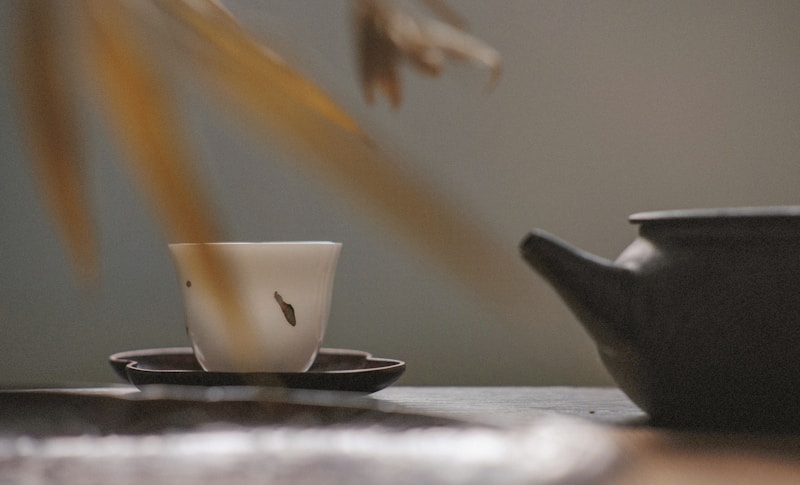
You’re standing in a tea shop, holding two beautiful teapots — one sleek porcelain, one rustic clay — wondering which will make your daily tea ritual truly shine. This moment of hesitation is completely natural, and you’re asking exactly the right question.
Your choice between porcelain and clay teaware will fundamentally shape every cup you brew for years to come. The material doesn’t just hold your tea; it actively participates in creating the flavors you’ll taste.
Why Your Teaware Material Actually Matters
Most tea drinkers don’t realize their teapot is essentially a brewing partner, not just a vessel. The material you choose determines heat retention, flavor interaction, and even how your tea evolves over time.
Porcelain offers precision and neutrality—perfect for showcasing delicate teas exactly as nature intended. Clay, on the other hand, adds complexity and develops character, creating a living relationship between your teaware and your favorite blends.
Understanding Porcelain: The Precision Champion
Porcelain starts as kaolin clay fired at temperatures exceeding 2,300°F, creating a dense, non-porous surface. This high-temperature process transforms humble clay into what tea masters call the “neutral canvas” of brewing.
The result is teaware that won’t interfere with your tea’s natural characteristics. Every subtle note in your white tea or delicate green tea comes through crystal clear, allowing you to taste exactly what the tea grower and processor intended.
Clay Teaware: The Flavor Enhancer
Traditional clay teaware, especially unglazed varieties like authentic Yixing clay, operates on completely different principles. The porous surface absorbs tea oils during each brewing session, gradually building layers of flavor memory. Want to make sure you’re buying the real thing? Our Yixing authentication guide covers the visual clues and physical tests that separate genuine pieces from fakes.
This process, called “seasoning,” means your clay teapot becomes increasingly personalized to your tea preferences. A well-seasoned clay pot dedicated to oolong tea will eventually enhance every brew with subtle complexity that no porcelain pot can match.
The mineral composition varies dramatically based on where the clay originated. Yixing clay from China’s Jiangsu province contains iron oxide and mica, contributing earthy undertones that complement robust teas perfectly.
The Science Behind Flavor Transformation
Here’s where chemistry meets your daily tea ritual. Porcelain’s non-reactive surface maintains consistent brewing temperatures and prevents any material interference with your tea’s compounds.
Clay’s porous structure creates micro-interactions between the vessel walls and your tea’s essential oils. Over time, these interactions develop what tea enthusiasts call “pot memory”—a accumulated flavor profile unique to your brewing habits.
Temperature retention differs significantly between materials. Clay’s thicker walls maintain heat longer than porcelain, which can extend steeping times and alter extraction rates for certain teas.
Porcelain’s Perfect Tea Matches
Your delicate white and green teas absolutely shine in porcelain teaware. The neutral surface preserves the subtle floral notes and fresh grassiness that make these teas so prized.
Light oolongs benefit tremendously from porcelain’s precision. You’ll taste every layer of complexity without any material interference masking the tea’s natural evolution through multiple infusions.
When Clay Becomes Your Best Choice
Dark oolongs and aged pu-erh teas develop incredible depth in seasoned clay pots. The material’s natural minerals complement these teas’ robust characteristics, adding earthy complexity that enhances rather than overwhelms.
Black teas, especially malty Assams and Ceylon varieties, benefit from clay’s heat retention and subtle flavor enhancement. The material’s natural properties seem designed for these full-bodied brews.
If you’re serious about exploring traditional Chinese tea culture, investing in authentic Yixing clay becomes essential. These pots are specifically crafted to enhance the teas they were designed to brew.
Practical Considerations You Need to Know
Durability varies significantly between materials. Quality porcelain resists chips and thermal shock better than most people expect, making it surprisingly practical for daily use.
Clay requires more careful handling but rewards you with decades of improving performance. The key is understanding that hairline cracks don’t necessarily mean your pot is damaged—they’re often part of the natural aging process. For a full walkthrough of cleaning, seasoning, and storage, check our Yixing teapot care guide.
Maintenance routines differ dramatically. Porcelain tolerates mild detergents and thorough cleaning, while clay teaware should never touch soap or harsh chemicals.
The Beginner’s Smart Starting Point
Most tea experts recommend beginning your journey with high-quality porcelain teaware. You’ll learn proper brewing techniques without variables introduced by clay’s evolving characteristics.
Porcelain’s versatility means you can explore every tea category with confidence. From delicate jasmine pearls to robust breakfast blends, one good porcelain pot handles everything beautifully.
Budget-wise, excellent porcelain teaware costs less than authentic Yixing clay while offering immediate, consistent results. You’re investing in skill development rather than pot seasoning.
Building Your Collection Strategically
Serious tea lovers eventually own both materials for good reason. Consider porcelain your precision tool and clay your specialty enhancer.
Still torn? Our head-to-head comparison of ceramic vs glass vs cast iron teapots adds a third dimension to help you find your ideal material.
Start with one excellent porcelain set, then add clay pieces as your preferences develop. Many enthusiasts dedicate specific clay pots to individual tea categories—one for oolong, another for pu-erh.
Shopping Smart: Quality Indicators
When evaluating porcelain, look for even thickness, smooth surfaces, and clean lines where pieces join. Quality porcelain rings with a clear, bell-like tone when tapped gently.
Authentic clay teaware feels substantial but not heavy, with natural color variations that indicate genuine material. Avoid pieces with uniform coloring or suspiciously low prices—they’re likely treated or fake.
Reputable sellers provide origin information and firing details. Don’t hesitate to ask questions about craftsmanship, materials, and the artist’s background.
Real-World Testing You Can Do
Try this simple comparison: brew identical amounts of the same tea in porcelain and clay vessels using identical water temperature and timing. The differences you taste will guide your preferences better than any expert opinion.
Pay attention to how each material feels during use. Some people prefer porcelain’s refined handling, while others love clay’s substantial, earthy presence.
Document your experiences in a tea journal. Over time, you’ll develop clear preferences that inform future purchases.
Expert Recommendations by Tea Type
Green teas consistently perform best in porcelain, where their delicate character remains unmasked. Reserve clay for special occasions when you want to explore how these teas interact with earthy elements.
Black teas thrive in both materials, giving you flexibility based on mood and brewing goals. Use porcelain when you want pure tea character, clay when you’re seeking enhanced complexity.
Oolong presents the most interesting choice. Light oolongs benefit from porcelain’s neutrality, while darker, roasted varieties develop incredible depth in seasoned clay pots.
Making Your Decision
Your choice ultimately depends on your brewing style and tea preferences. If you value consistency and versatility, porcelain delivers exactly what you need.
Clay becomes essential when you’re ready to develop specialized brewing relationships with specific teas. The investment pays off through years of evolving flavor experiences.
Consider starting with porcelain to build fundamental skills, then expanding into clay as your palate develops and preferences crystallize.
Transform Your Tea Experience Today
The right teaware material can elevate every cup you brew, turning simple daily routines into moments of genuine pleasure. Whether you choose porcelain’s precision or clay’s character, you’re investing in years of enhanced tea experiences.
